Why the sun and moon look the same size
The sun is about 400 times wider than the moon and also about 400 times farther away, so the two discs look almost the same size in our sky. That match is a coincidence of timing, and it will not last forever.
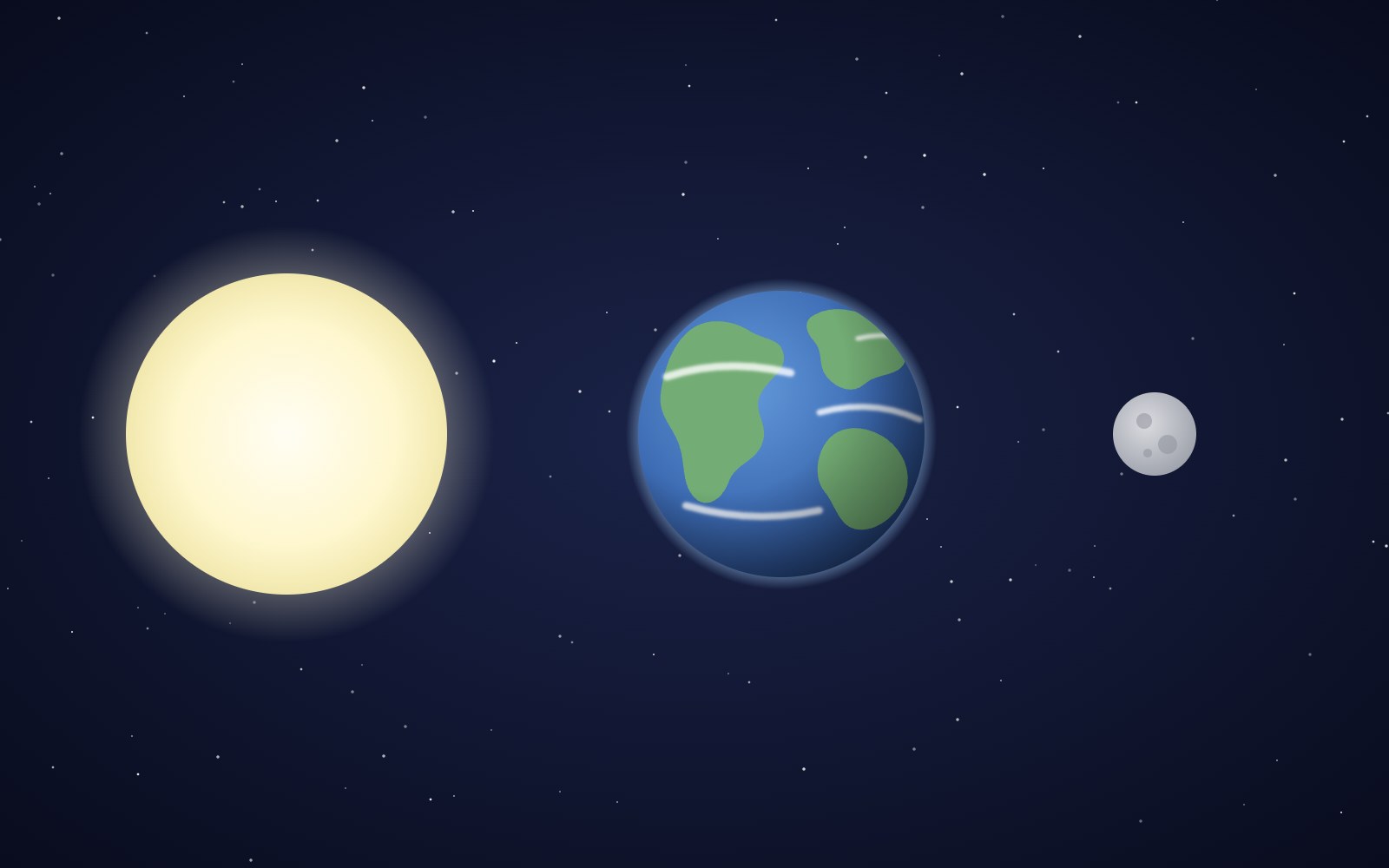
The sun and the moon look almost exactly the same size from Earth because two big numbers nearly cancel out. The sun is roughly 400 times wider than the moon, and it also sits roughly 400 times farther away. A bigger object that is proportionally farther off takes up the same slice of sky, so both discs appear about half a degree across. Nothing forces these numbers to line up. They just happen to, right now. This post walks through the measurements, what the match lets us see during a total solar eclipse, why the fit changes from month to month, and why it is slowly coming undone. Along the way we will look at the odds, treated as a question of timing rather than anything else.
The sun is about 400 times wider and 400 times farther
The NASA planetary fact sheets give the numbers. The sun has a mean radius of about 695,700 km, so it is close to 1.39 million km across. The moon has a mean radius of about 1,737 km, which makes it roughly 3,475 km across. Divide one by the other and the sun comes out about 400 times wider. Now look at distance. Earth orbits the sun at an average of about 149.6 million km, while the moon circles Earth at an average of about 384,400 km. That ratio is close to 389. The two ratios are not identical, but they are within a few percent of each other, and that small gap is why the fit is so close yet never quite perfect.
Apparent size is what your eye actually measures. It depends on how wide something is divided by how far away it is. A coin held at arm's length can hide a building across the street because the coin is so much closer. The same rule applies in space. When you divide the sun's width by its distance, and then do the same for the moon, the answers land near the same small angle, about half a degree. NASA lists the sun's apparent diameter at an average distance as roughly 0.53 degrees. The moon's apparent diameter swings between about 0.49 and 0.55 degrees. The sun's value sits right inside that range, so on some days the moon looks slightly bigger and on others slightly smaller.
The close match makes total solar eclipses possible
A total solar eclipse happens when the moon passes directly between the sun and Earth and covers the whole bright face of the sun. For that to work, the moon has to look at least as large as the sun from where you stand. If the moon looked much smaller, it could only ever take a bite out of the sun or leave a bright ring around its edge. The Planetary Society notes that a total eclipse needs a moon with the same angular size in the sky as its star. Earth has one. For a few minutes along a narrow path, day turns into a strange twilight, the temperature drops, and stars and planets show up in the middle of the afternoon.
The best part of the match is what it reveals. The sun is wrapped in a thin, very hot outer atmosphere called the corona. Normally it is far too faint to see against the glare of the solar disc. During totality the moon blocks the disc but, because the fit is so tight, it does not block much more. The corona appears as pale streamers reaching out in every direction, and red prominences of glowing gas can be seen curling off the sun's edge. The Planetary Society points out that a moon that looked much larger would hide these features too. So the near equal sizes do more than create darkness. They frame the sun's atmosphere almost perfectly for anyone on the ground.
An oval orbit sometimes gives annular eclipses instead
The moon does not travel around Earth in a perfect circle. Its path is an ellipse, so its distance changes through each month. According to the NASA moon fact sheet, it comes as close as about 363,300 km at perigee and drifts out to about 405,500 km at apogee. That difference of roughly 42,000 km is enough to change how big the moon looks. Near perigee it appears a little larger than the sun. Near apogee it appears a little smaller. Earth's own orbit around the sun is slightly oval too, which nudges the sun's apparent size up and down across the year, though by a smaller amount. Every eclipse depends on where both bodies sit on these paths.
When the moon lines up with the sun while it is near its far point, it cannot cover the whole solar disc. A thin, bright ring of sunlight stays visible around the dark moon. Astronomers call this an annular eclipse, from the Latin word for ring. It still counts as a central eclipse, but the sky does not go fully dark and the corona stays hidden. Some eclipses are even a mix, looking annular from one part of the path and total from another, because Earth's curved surface puts some viewers a little closer to the moon. Over the long run, annular eclipses already happen a bit more often than total ones. That is a sign of how narrow the margin really is.
The Moon is drifting away about 3.8 cm a year
During the Apollo missions, astronauts left panels of small mirrors on the lunar surface. Observatories on Earth still fire laser pulses at them and time how long the light takes to return. NASA's eclipse site explains that this laser ranging pins down the Earth to moon distance with extraordinary precision, and it shows the moon moving away at about 3.8 cm per year. That is roughly the pace at which your fingernails grow. The cause is tides. The moon raises bulges in Earth's oceans, and Earth's spin drags those bulges slightly ahead of the moon. Their pull gives the moon a tiny forward tug, which lifts it into a slightly wider orbit year after year.
A few centimeters sounds like nothing, but time adds it up. At that rate the moon moves about 38 km farther away every million years. As it recedes, it looks smaller in our sky, while the sun stays roughly the same size. Eventually the moon will be too small to cover the sun even at its closest point. The Planetary Society estimates that in about 500 to 600 million years, Earth will see its last total solar eclipse. After that, every central eclipse will be annular, a dark disc sitting inside a ring of sunlight. The rate of drift has not been exactly constant through Earth's history, so these dates are rough, but the direction of change is clear.
The odds come down to timing
So what are the chances? The fairest way to frame it is as a coincidence in time. Earth is about 4.5 billion years old, and the moon has been creeping outward for much of that span. In the distant past it sat closer and looked noticeably larger than the sun, which would have covered the corona more heavily. In the distant future it will look too small to cover the sun at all. The close match we see today fills only a slice of that long history. We happen to be living inside that window. There is nothing special about the numbers on their own. They are simply where two slowly changing values happen to cross, and we arrived during the crossing.
It also helps to look around the solar system. Other planets have moons, and some of those moons cast shadows that pass over their planets, which counts as a kind of eclipse. As far as current observations go, though, no other known planet and moon pair in our solar system matches the sun's apparent size as closely as our moon does. Most moons look either far larger or far smaller than the sun from their planet's sky. That comparison is often repeated by astronomers but is rarely laid out in one tidy table, so treat it as a strong trend rather than a precise ranking. Even so, it shows how unusual a near perfect fit is, and how brief our share of it may be.
The sun and moon look the same size because of a lucky ratio: about 400 times wider, about 400 times farther away. That ratio gives us total solar eclipses with a clear view of the corona, and an oval orbit swaps some of them for ring shaped annular eclipses. Laser ranging from the Apollo mirrors shows the moon pulling away at roughly 3.8 cm per year, so the fit is slipping a little every year. In around 500 to 600 million years, total eclipses on Earth will end for good. For now, the numbers still line up, and anyone standing inside the path of totality can see the sun's outer atmosphere with their own eyes for a few minutes.
More articles
The moon is, in fact, an inanimate, dusty old rock
The moon is a layered ball of rock about 4.5 billion years old, wrapped in sharp gray dust and almost no air. Here is what it is made of, where it probably came from and why it barely changes.
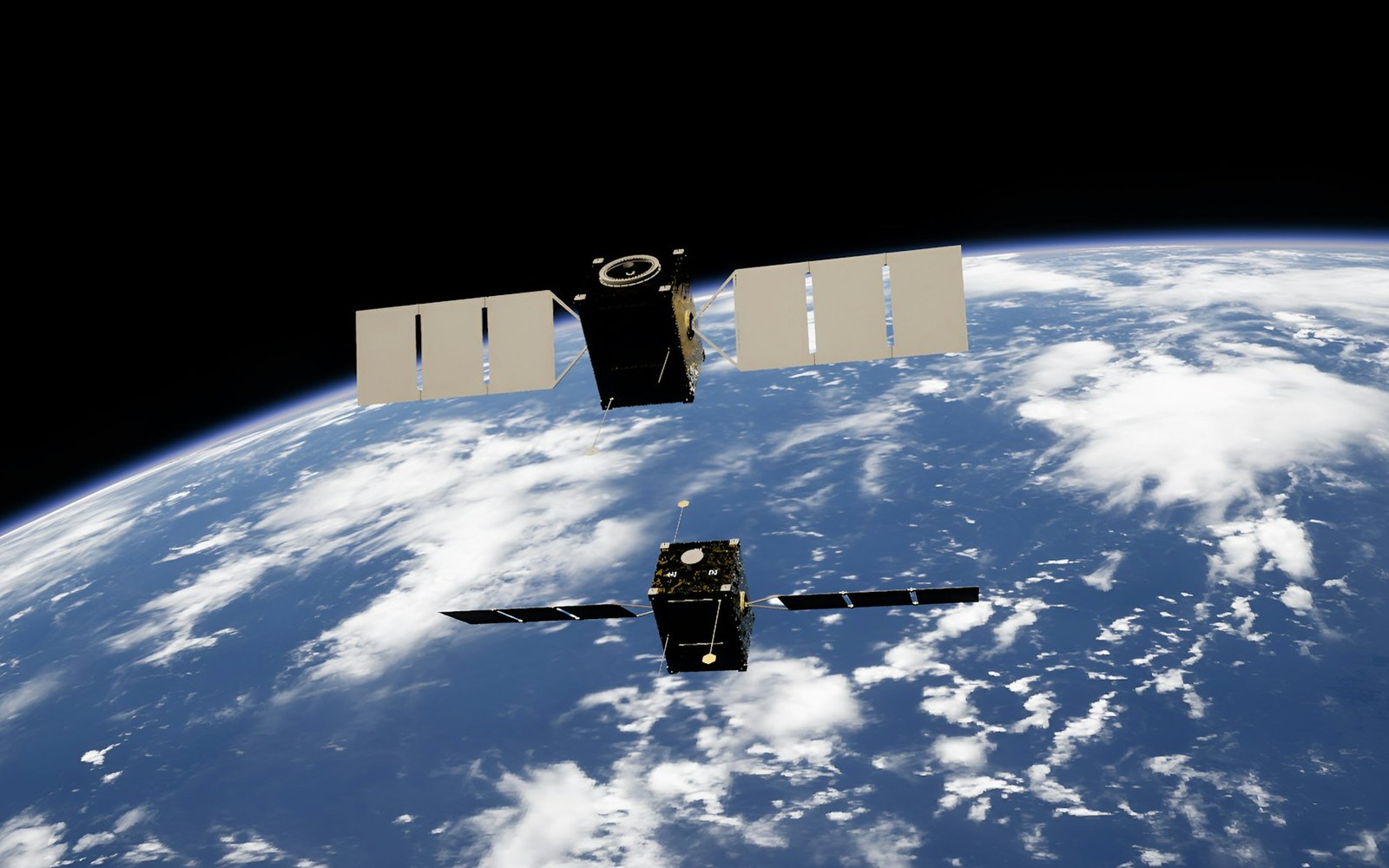
How solar storms mess with satellites
The sun has weather, and some of it reaches us. Here is how solar flares and the storms that follow can sink satellites, scramble GPS and even trip power grids, and how people keep watch.
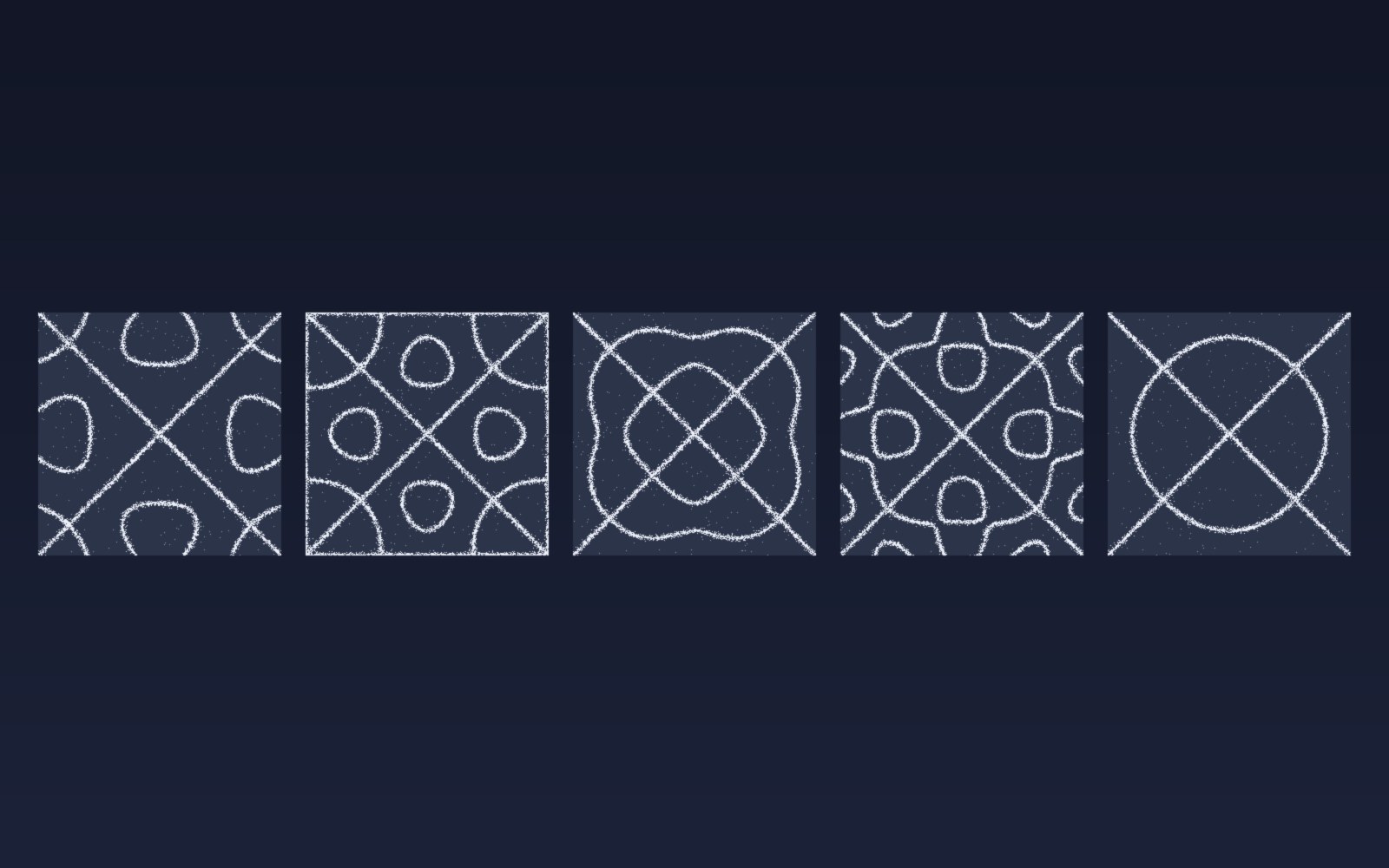
Patterns in sound
Sprinkle salt on a drum, play a steady note, and the grains slide into neat lines and rings. Here is why sound draws pictures, who first noticed, how to try it at home, and what all this has in common with a snowflake.
Most of the sound around you goes unheard
Human ears catch only a middle band of all the sound there is. Here is what we miss, which animals hear it, and why the hums and whines from our own gadgets can still get under our skin.
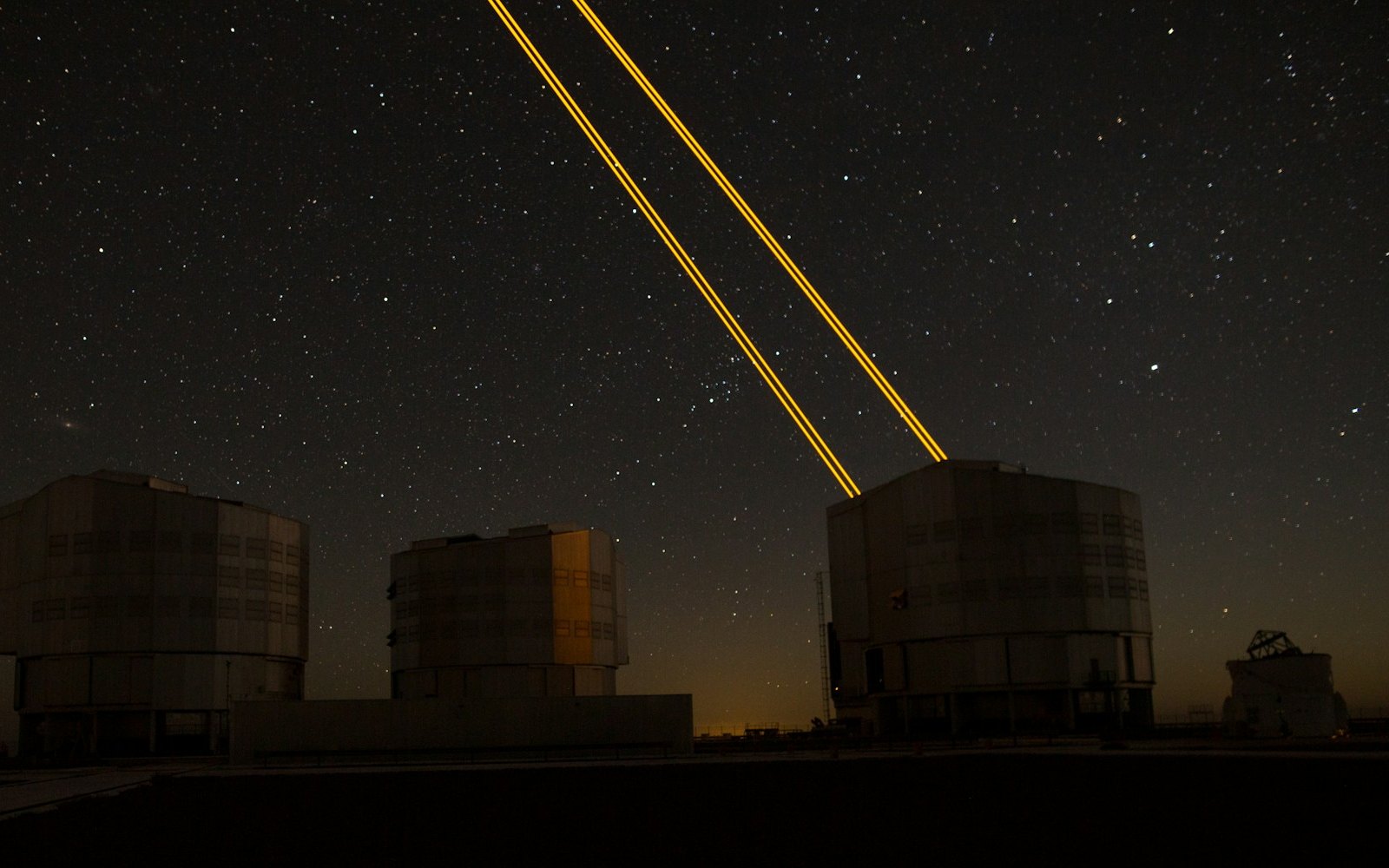
What is LaserSETI?
LaserSETI is a growing network of rooftop cameras that watch huge patches of the night sky for a single-color flash of light. Here is how it works, where the stations are in 2026, and what it has (and has not) found.
Most of the light around you is invisible
Our eyes catch only a thin band of all the light there is, from violet to red. Here is what we miss, which animals see more of it, and how we use the invisible rest every day.

The science of music
Why a good chorus gives you chills, why the Mozart effect fizzled, and why some songs refuse to leave your head. Here is what the research actually says about music, mood and focus.
Bill Nye is still teaching
A science show from the 1990s is still turning up in classrooms. Here is what Bill Nye the Science Guy was, why so many grownups remember it so fondly, and why teachers keep pressing play.
Why is the sky blue?
The sky is blue because the tiny bits of gas in the air reflect blue sunlight around much more than red light, so blue reaches our eyes from every part of the sky.
Bees fly more like drones than planes
A bumblebee stays in the air the way a drone or helicopter does, by moving its wings fast instead of racing forward over a stiff wing.
The earth is, in fact, actually round
You can check that Earth is round from a beach, a campsite or a phone call to a friend in another time zone. People worked it out more than two thousand years ago, and one of them even measured it with shadows.
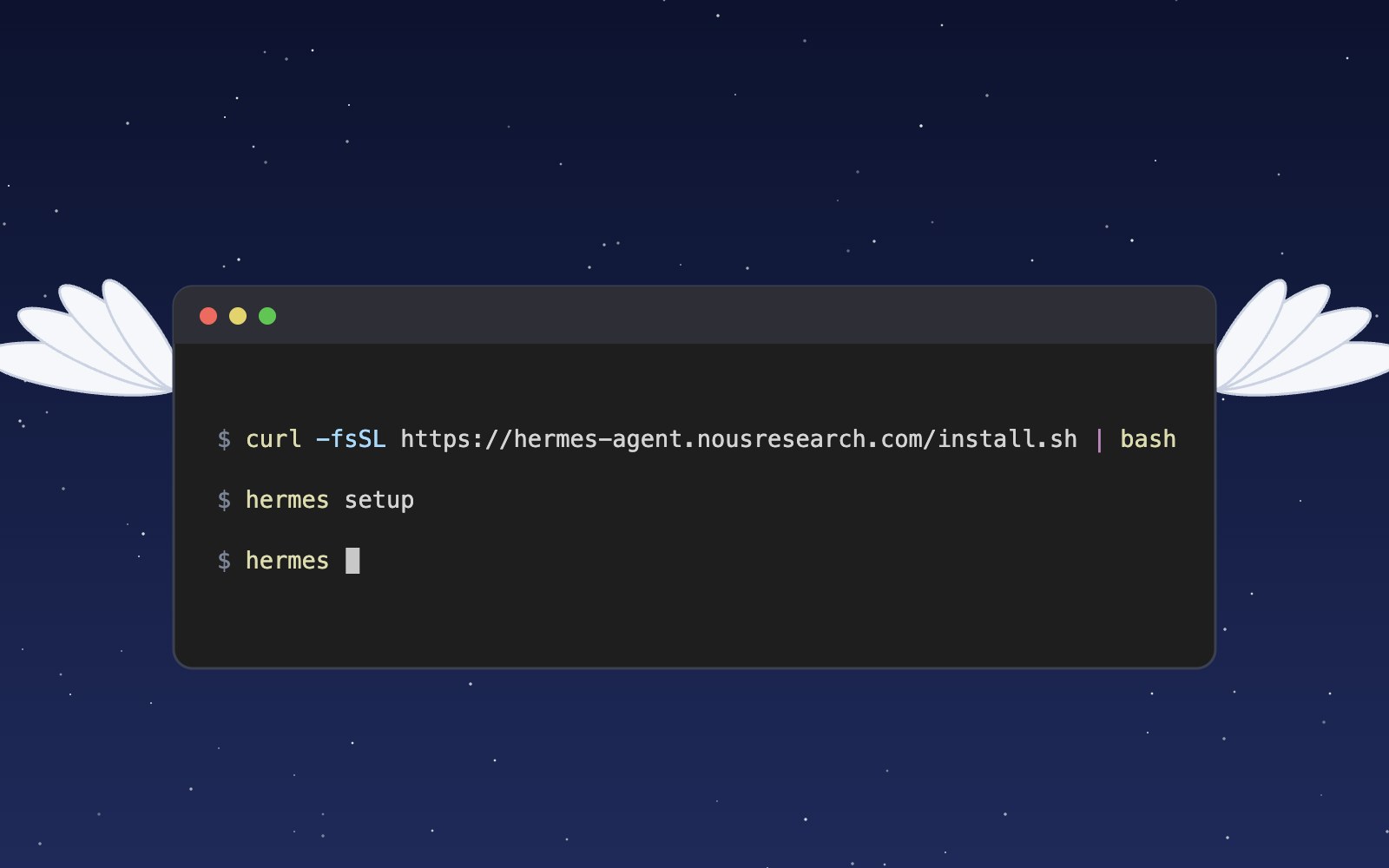
What is Hermes?
Hermes is an open source AI agent harness from Nous Research that runs on your own computer, uses tools, remembers past sessions and learns skills. Here is what it does and how to install and set it up.
Meet the Night Sky UI Kit
Three animated React components for dark, night-sky themed sites: a star cursor, a twinkling starfield and a soft aurora glow. Here is what's inside and how to add it.
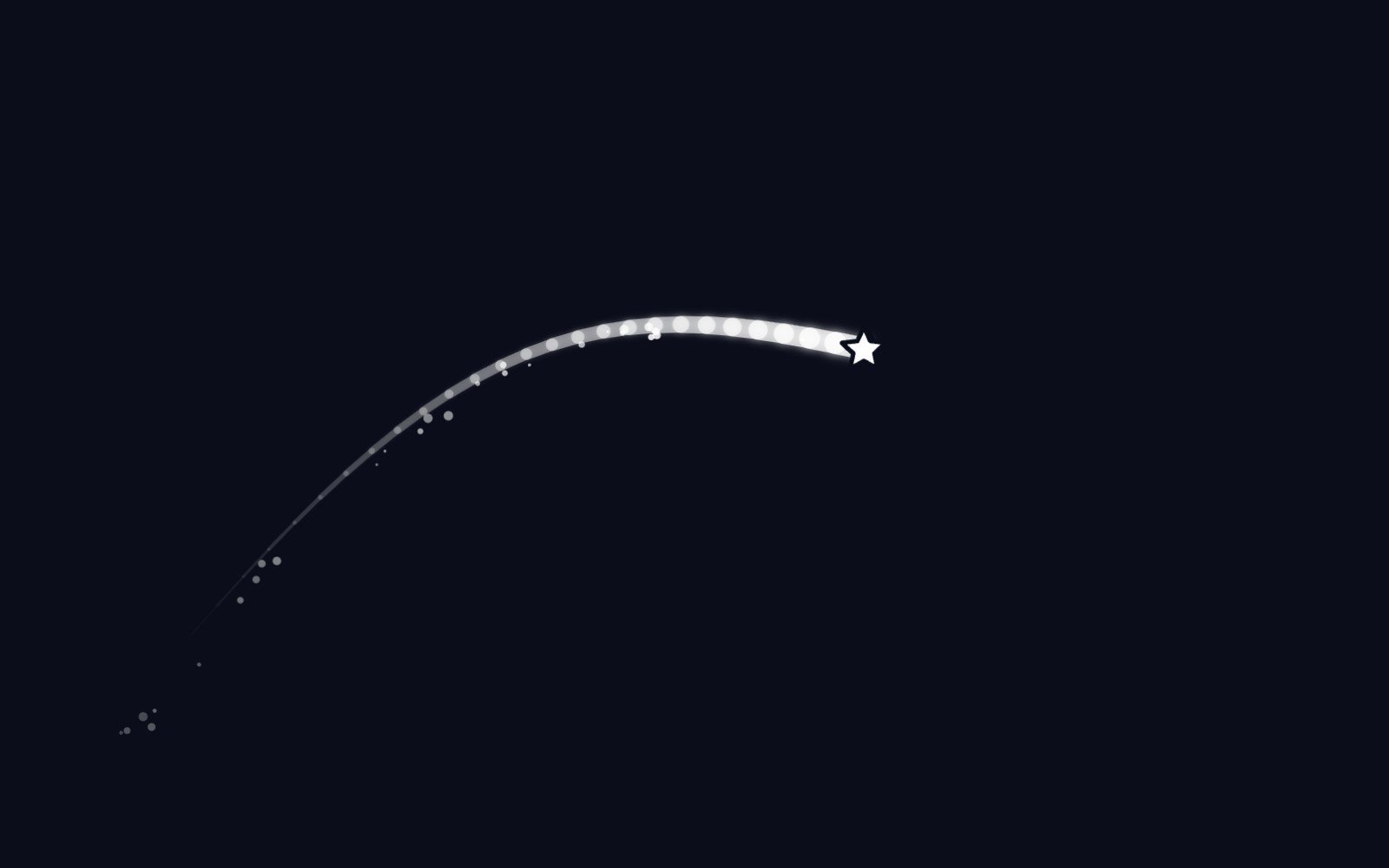
Behind the Star Cursor
How the Star Cursor draws its comet tail and sparkle dust, and why it quietly steps aside on touch screens and for anyone who prefers reduced motion.
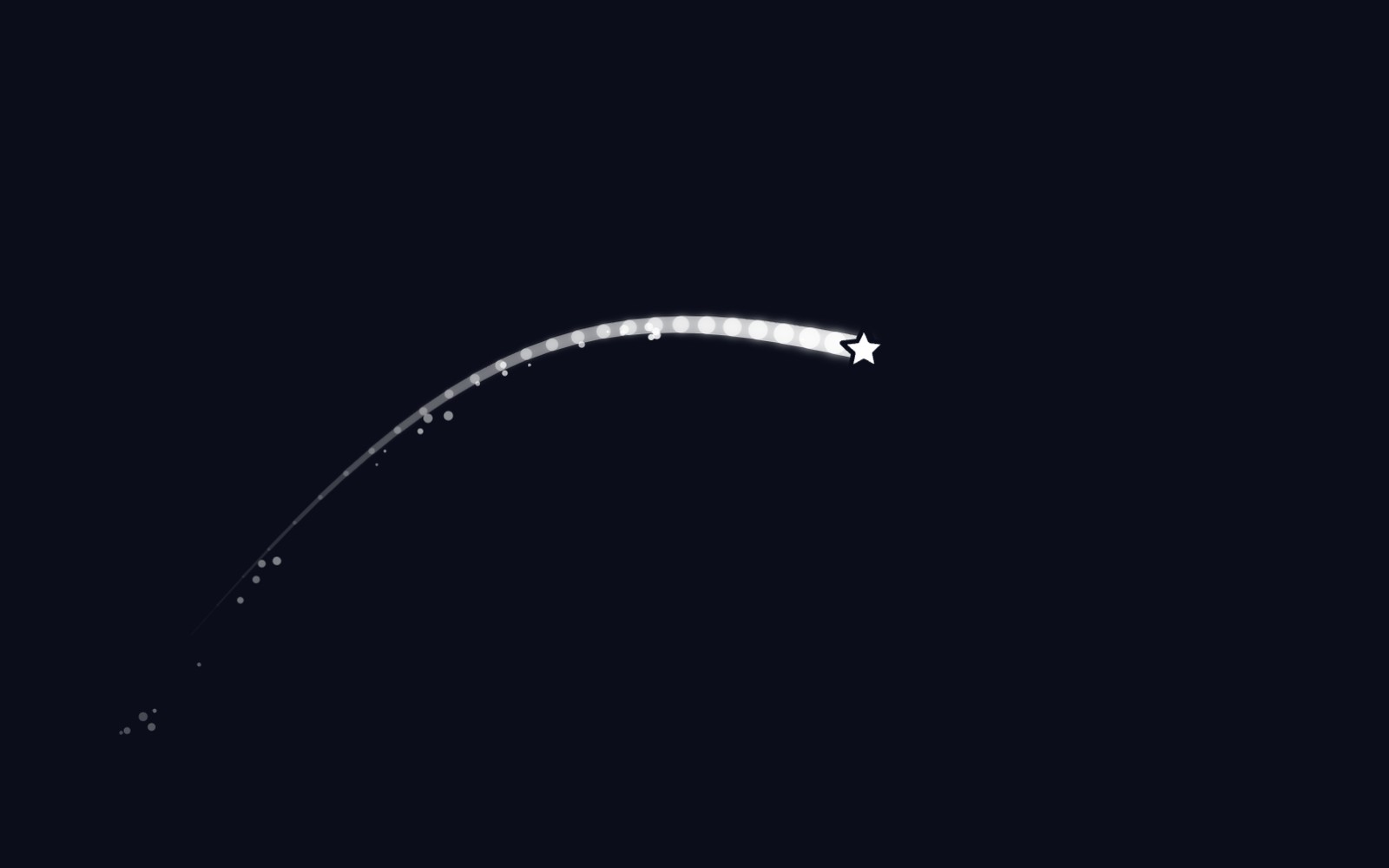
5 trendy UI effects
A star cursor with a comet tail, frosted glass panels, scroll-driven animation, smooth page transitions and gradients that actually move, plus the one tip we would give for each.
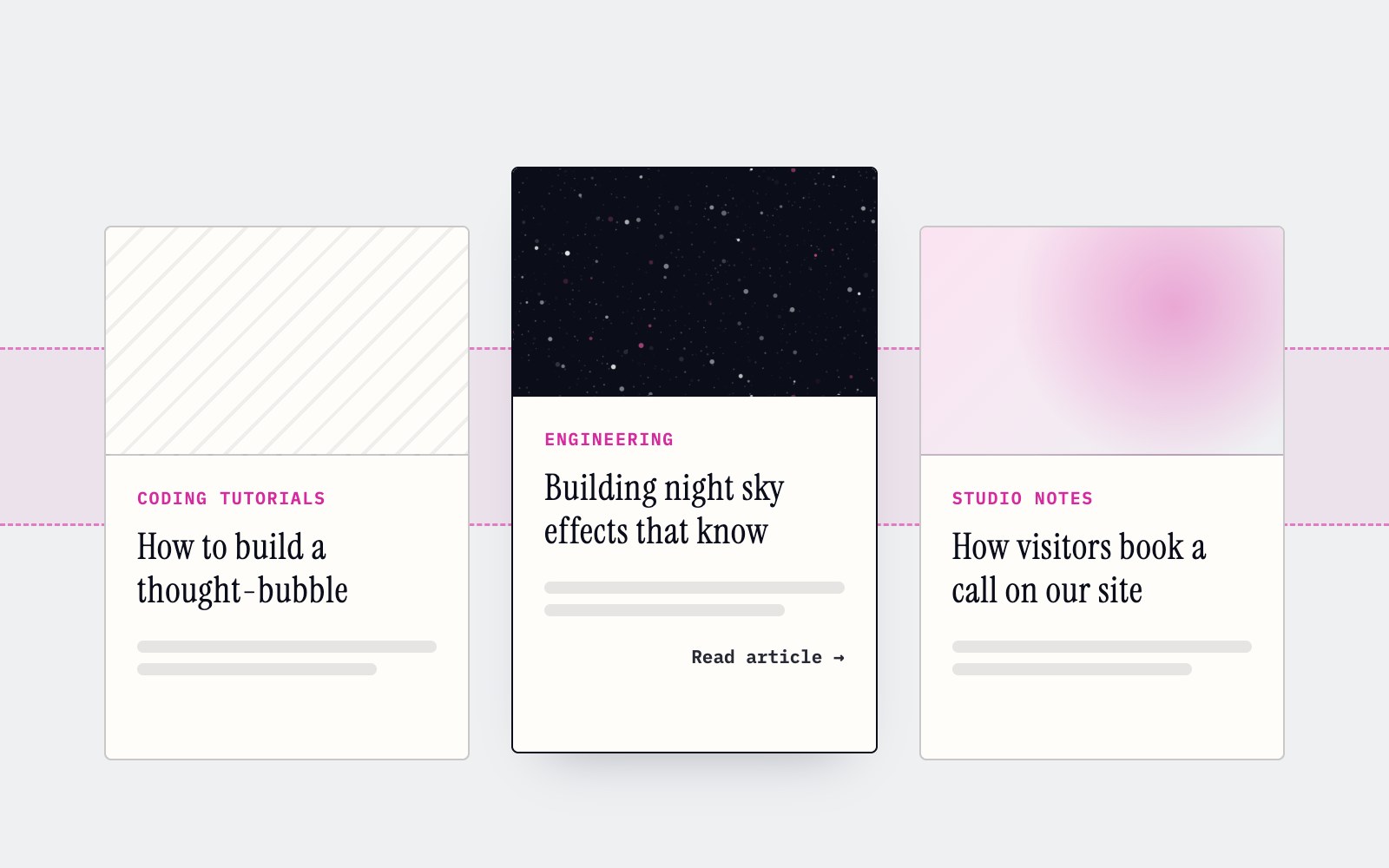
How to make cards lift as you scroll on a phone
Phones can't hover, so our blog cards used to sit flat on mobile. Here's the small CSS class and IntersectionObserver we use to lift whichever card is in the middle of the screen as you scroll.

What llms.txt is, and how we added one to our site
A plain-English look at llms.txt, the proposed markdown file that gives AI assistants a short map of your site, what it can and can't promise, and how we wrote and tested our own.

Tell Google who you are with a few lines of code
Small business names collide, and search engines have to guess which one you meant. Organization structured data is one way a site owner can stop them guessing. Here's what it is, what we put in ours, and how to test it.
How to build a thought-bubble tooltip with pure CSS
A step-by-step CSS tutorial for a tooltip that reads its label from a data attribute, pops up in a rounded bubble, trails off in three little circles and stays clickable, with no JavaScript.
Building night sky effects that know when to sit out
How the Night Sky UI Kit's star cursor, starfield and aurora check the visitor's device and settings before they draw a single frame.

How you can set up pull requests to get an automatic first review
Give every pull request an automatic first review the moment it opens, and send each new pull request and its review to a dedicated Slack channel. Here is how the pieces fit.

How visitors book a call on our site
Picking a time with us takes a few clicks and never leaves the page. Here is how the booking calendar on our site works, and the small checks that stop two people grabbing the same hour.

Inside our resumable, review-gated video production pipeline
How we built a local seven-step pipeline that turns a history topic into a captioned video, with resumable state, bounded retries, and a human review gate.