The moon is, in fact, an inanimate, dusty old rock
The moon is a layered ball of rock about 4.5 billion years old, wrapped in sharp gray dust and almost no air. Here is what it is made of, where it probably came from and why it barely changes.
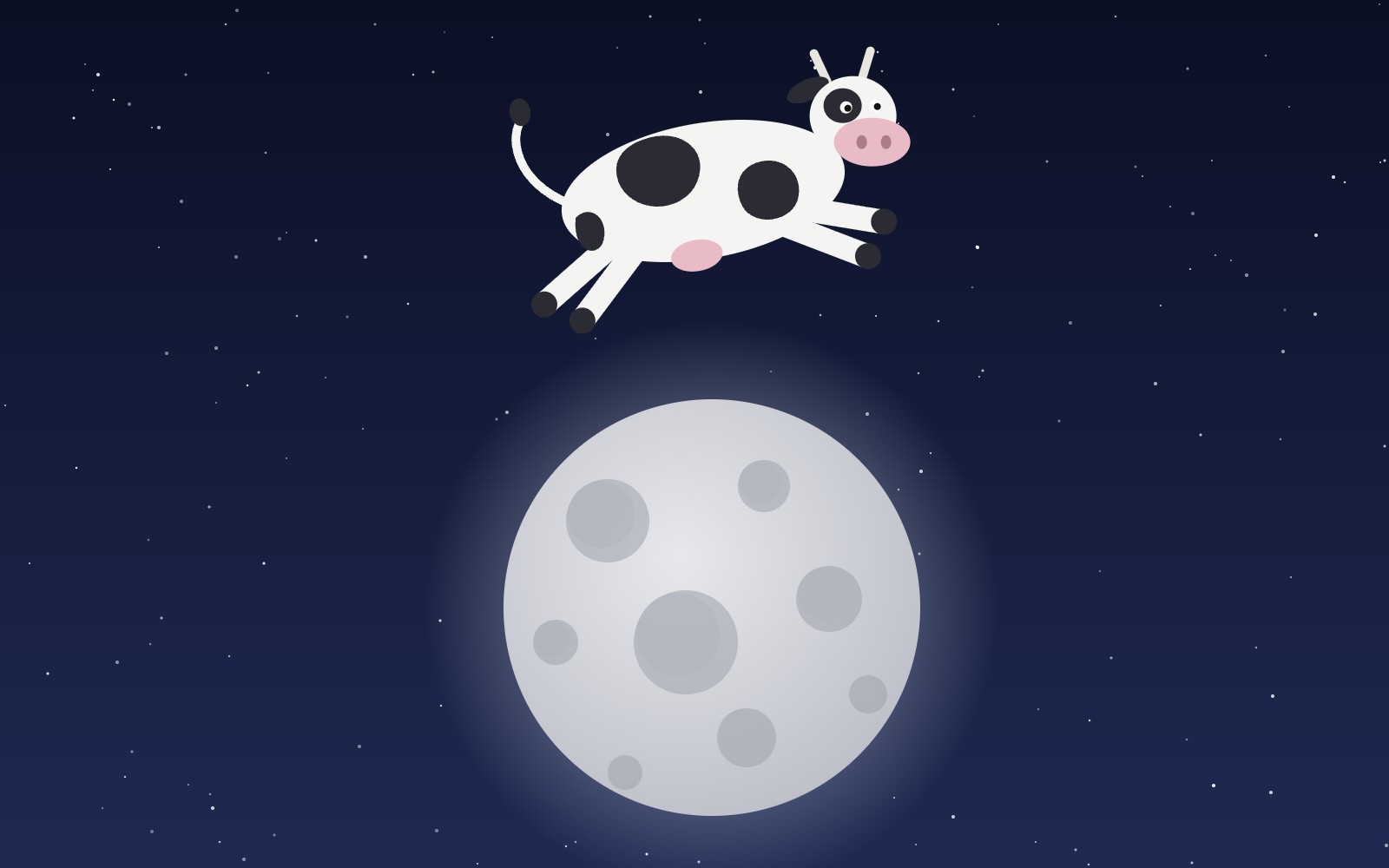
The moon is just a dusty, old rock. It has a small core made of metal, surrounded by a middle layer of stone, with a thin dusty crust of rocks, and the whole thing is coated in a layer of broken rock and powdery dust. Not much going on there. NASA puts its age at about 4.5 billion years. It has almost no air, no weather and no living things, so it mostly sits there, glowing politely in our night sky while very little happens to it. That is the short version. Let's look at what it is made of, how old it is, why its dust is such a nuisance, why it still rumbles now and then, and where it probably came from.
A rock built in layers
NASA describes the moon as a layered world, much like Earth, with a core, a mantle and a crust. Long ago the young moon was hot enough to be molten. As it cooled, heavy metals such as iron sank toward the middle and lighter rock floated up toward the top. The core that formed is small for a rocky world. NASA says it reaches only about 20 percent of the way from the center to the surface, with a solid iron inner part wrapped in a molten outer part. Above it sits the mantle, the thickest layer, made mostly of minerals called olivine and pyroxene. On top is the crust, about 40 kilometers thick on the side facing us and about 60 kilometers on the far side. Nobody is quite sure yet why it is lopsided.
Look up at a full moon and you can see two kinds of rock without a telescope. The bright, pale areas are the highlands. NASA says they are high ground rich in calcium and aluminum. The dark patches are called maria, which is Latin for seas, a name from a time when people thought they might hold water. They are actually huge plains of cooled lava. According to NASA, lava rose through cracks in the crust and flooded giant impact basins between about 4.2 and 1.2 billion years ago, and that dark rock carries more iron and titanium. The highlands are the older of the two. So the face you see is really a map of very old crust with younger lava poured into its low spots, all of it long since frozen solid.
Older than almost anything you can hold
The moon formed about 4.5 billion years ago, near the start of the solar system, NASA says. We know this largely because people went and picked up pieces of it. The six Apollo landings between 1969 and 1972 brought back 382 kilograms of lunar rock and soil, which is about 842 pounds. Scientists are still studying those samples today. Even the first ones were impressive. NASA notes that the volcanic rocks Apollo 11 collected are roughly 3.6 billion years old, and those came from a lava plain, one of the younger parts of the surface. The pale highland rock is older still. NASA says some of it floated to the top of a molten early moon and formed the first crust around 4.4 billion years ago.
The oldest dated pieces are tiny. In a 2023 study in the journal Geochemical Perspectives Letters, researchers from the Field Museum, the University of Chicago and other groups examined zircon crystals in dust that Apollo 17 astronauts collected in 1972. Zircon is a tough mineral that holds a little uranium, and uranium slowly turns into lead at a known rate. By counting the atoms, the team found the crystals formed about 4.46 billion years ago. Because zircon could not survive while the surface was still molten, the moon must be at least that old. The authors say this pushes the date of the oldest known lunar crust back by about 40 million years. For a rock that is already billions of years old, that is quite a birthday adjustment.
The dust is sharp and very clingy
The moon's surface is covered in regolith, a loose blanket of broken rock that NASA calls the moon's soil. It formed because the moon has been pelted for billions of years by meteorites of every size and by charged particles streaming from the sun. All that battering smashed the top of the crust into rock chips, mineral bits, bits of glass and a very fine powder. NASA says the smallest grains can be under 10 to 20 microns across, far thinner than a human hair. Some bits are melted and glued together into little glassy clumps by the heat of tiny meteorite strikes. The layer is thin on the younger lava plains, but NASA says it can be about 20 meters deep on the old highlands.
Here on Earth, wind and water slowly round off small grains over time. The moon has neither, so its dust stays jagged. The European Space Agency describes it as fine like powder but sharp like glass, and says sunlight can give the grains an electric charge that helps them stick to things. The Apollo crews found out firsthand. A NASA report on the Apollo spacesuits says astronauts noticed right away that the small particles clung to everything they used outside. ESA adds that the dust wore through layers of boot material and ruined the seals on sample containers. After Apollo 17, dust carried back into the lander made eyes water and noses run. Astronaut Harrison Schmitt called it lunar hay fever, NASA says.
Almost no air and no weather
The moon does have an atmosphere, but only just. NASA calls it an exosphere, a layer so thin that its gas atoms can travel long distances without bumping into one another. It is mostly helium, neon and argon. NASA says it holds about a million billion times fewer molecules in each cubic centimeter than the air around you. If you stood on the moon, you would probably think there was no air at all. With so little gas, there is no wind, no rain and no clouds. The moon also has no liquid water on its surface. NASA notes that its craters have been preserved for billions of years, which gives scientists a long record of impacts in the inner solar system.
All that stillness means marks on the moon can last a very long time. There is no wind to blow footprints away and no rain to wash them smooth. A NASA visualization of the Apollo 11 landing site, built from Lunar Reconnaissance Orbiter images, notes that the astronauts' footprints are still visible today. That orbiter has also spotted the paths the Apollo 12 crew walked. The surface is not frozen forever, though. NASA explains that small space rocks keep striking the moon and slowly churning its top layer, a process called impact gardening. The solar wind wears at the surface too, but very slowly. One unlucky pebble could erase a footprint, yet in most spots the tracks should outlast everyone reading this by a very wide margin.
The old rock still rumbles a little
For something so quiet, the moon still shakes now and then. Apollo astronauts set up seismometers on the surface, starting with Apollo 11, and NASA says the later instruments at the Apollo 12, 14, 15 and 16 sites kept sending data home until September 1977. Those instruments recorded thousands of moonquakes. NASA sorts them into a few kinds. The deep ones begin hundreds of miles below the surface, where Earth's pull squeezes and flexes the moon's insides like a slow tide. Other quakes come from meteorites hitting the surface. Very shallow ones happen as rock near the surface heats up in the long lunar day and cools in the frigid night. A 2024 study of Apollo data in the Journal of Geophysical Research: Planets found about 22,000 more events hiding in the old records.
The most surprising quakes come from shrinking. NASA says the moon is still losing heat from the inside, and as it cools it contracts a little. Over the last several hundred million years, its diameter has shrunk by about 50 meters. As the moon shrinks, the crust cracks and pushes up into long cliffs called thrust faults, which the Lunar Reconnaissance Orbiter has photographed. Quakes along those faults start about 20 to 30 kilometers down. NASA says some reached about magnitude 5, and they can last over 10 minutes, far longer than a typical earthquake. Researchers at the Smithsonian and elsewhere have linked several Apollo era quakes to these young faults, which suggests the moon may still be slowly settling today.
Origins of the Moon
So where did all this rock come from? NASA says scientists have several ideas, but the leading one is a giant impact. Near the time the solar system formed, something about the size of Mars, or perhaps a series of large objects, is thought to have slammed into the young Earth. The crash would have thrown a huge amount of molten and vaporized rock into space. That debris then gathered together in orbit and became the moon. Older ideas said the moon was captured as it drifted past, or that it formed right next to Earth from the same leftover material. NASA says those ideas lost favor after the Apollo samples arrived. The giant impact is the best fit so far, not a settled fact.
The rocks themselves give the clues. NASA says the Apollo samples show the moon was once covered by a deep ocean of magma, which is what you would expect after an enormously energetic collision. The rocks also hold very little of the elements that boil away easily when heated, another hint of a violent, hot beginning. Then there is the matching. NASA notes that basalt from the moon looks strikingly like basalt from Earth's mantle, and the oxygen isotopes in lunar samples line up with Earth rocks too closely to be chance. That suggests a lot of the moon was once part of Earth. A NASA and Durham University computer simulation even suggests the moon could have come together in just a few hours after the crash.
After all that history, the honest summary is that the moon today is rather boring. It is an old rock with no air, no weather and nothing living on it, and on most days nothing much happens there at all. That also means there is no man in the moon. NASA explains that the face people picture is made of the dark maria, old lava flows laid down billions of years ago, set against the paler highlands. Our brains are very quick to find faces in random patterns, a habit scientists call pareidolia. NASA's Astronomy Picture of the Day notes that people in other places have spotted a woman or a rabbit up there instead. So the face is just rock, dust and shadow, arranged by old volcanoes and a lot of time.
So the moon really is a giant, dusty old rock: layered, lopsided, at least 4.46 billion years old and still shrinking a little. There is no man in the moon. But, we are still undecided if the cow jumped over the moon.
More articles
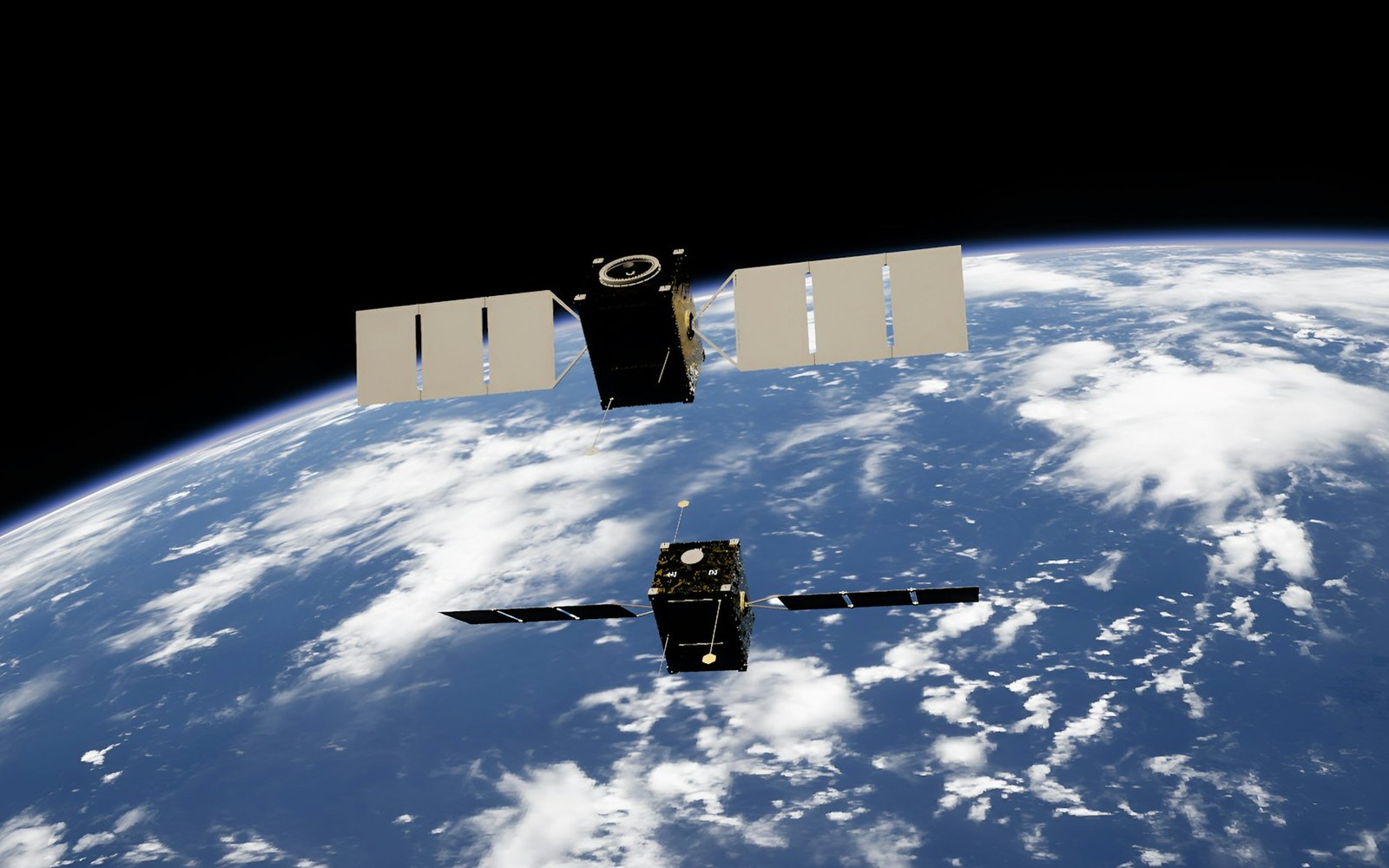
How solar storms mess with satellites
The sun has weather, and some of it reaches us. Here is how solar flares and the storms that follow can sink satellites, scramble GPS and even trip power grids, and how people keep watch.

Patterns in sound
Sprinkle salt on a drum, play a steady note, and the grains slide into neat lines and rings. Here is why sound draws pictures, who first noticed, how to try it at home, and what all this has in common with a snowflake.

Most of the sound around you goes unheard
Human ears catch only a middle band of all the sound there is. Here is what we miss, which animals hear it, and why the hums and whines from our own gadgets can still get under our skin.
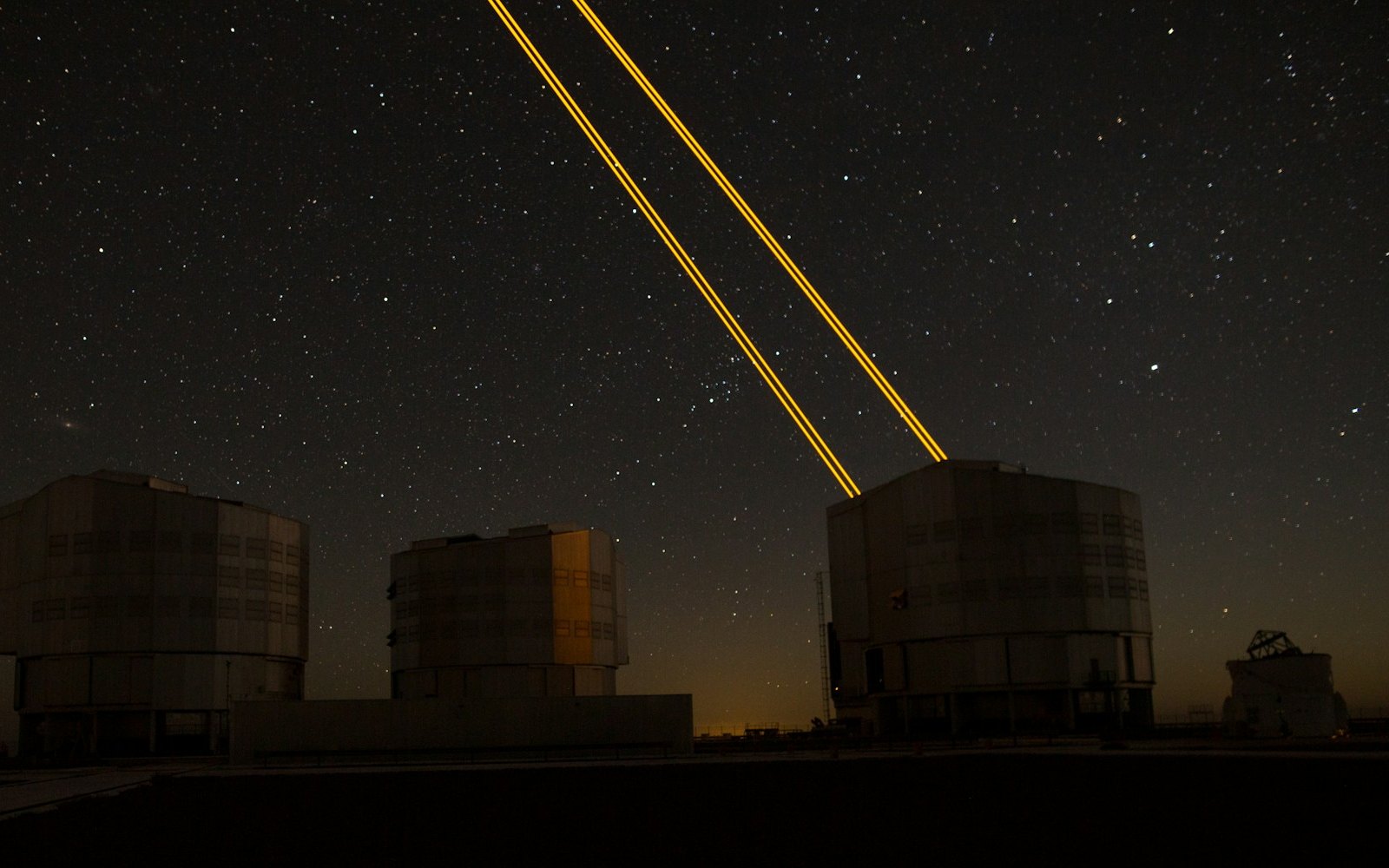
What is LaserSETI?
LaserSETI is a growing network of rooftop cameras that watch huge patches of the night sky for a single-color flash of light. Here is how it works, where the stations are in 2026, and what it has (and has not) found.
Most of the light around you is invisible
Our eyes catch only a thin band of all the light there is, from violet to red. Here is what we miss, which animals see more of it, and how we use the invisible rest every day.

The science of music
Why a good chorus gives you chills, why the Mozart effect fizzled, and why some songs refuse to leave your head. Here is what the research actually says about music, mood and focus.

Bill Nye is still teaching
A science show from the 1990s is still turning up in classrooms. Here is what Bill Nye the Science Guy was, why so many grownups remember it so fondly, and why teachers keep pressing play.

Why is the sky blue?
The sky is blue because the tiny bits of gas in the air reflect blue sunlight around much more than red light, so blue reaches our eyes from every part of the sky.
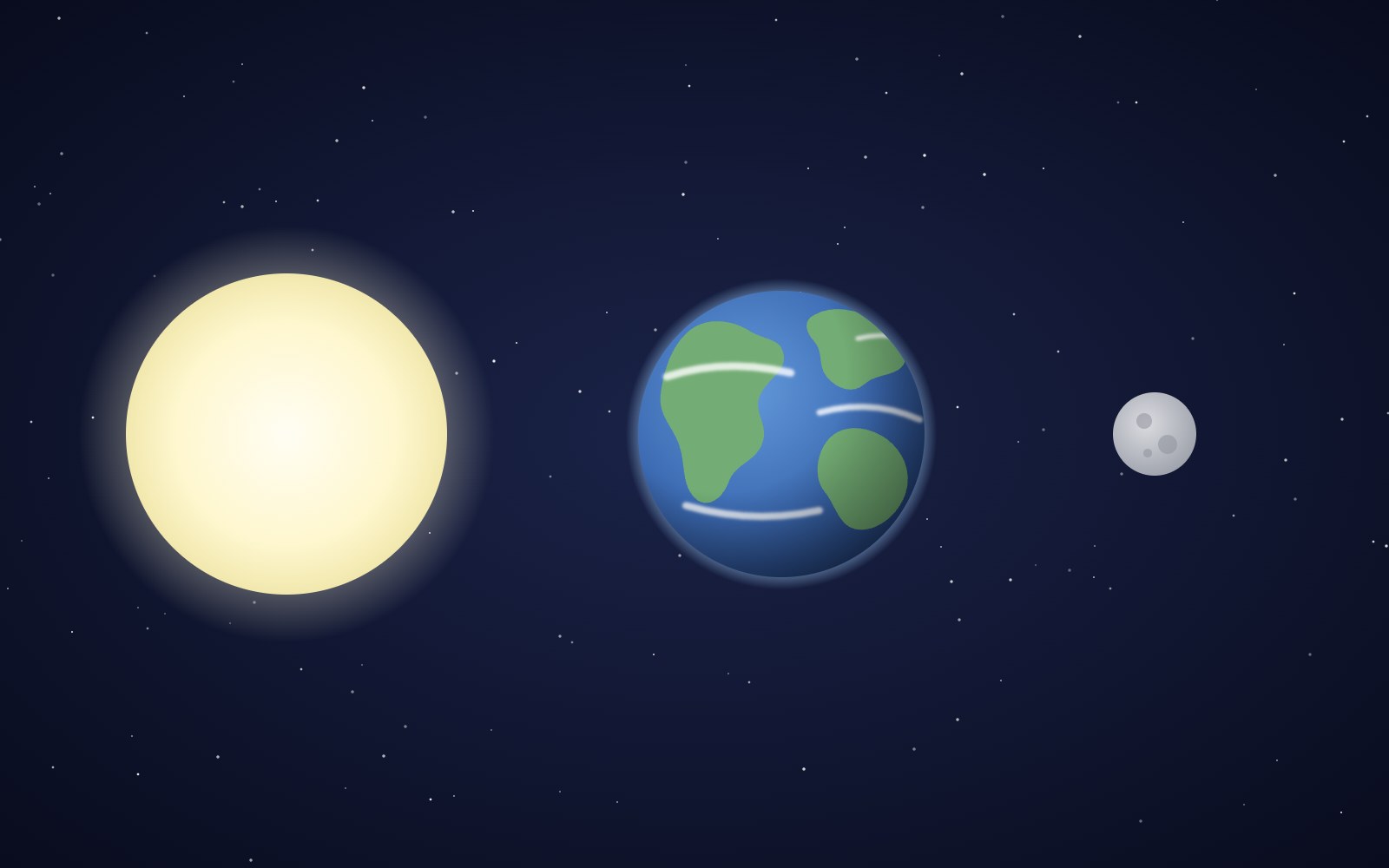
Why the sun and moon look the same size
The sun is about 400 times wider than the moon and also about 400 times farther away, so the two discs look almost the same size in our sky. That match is a coincidence of timing, and it will not last forever.
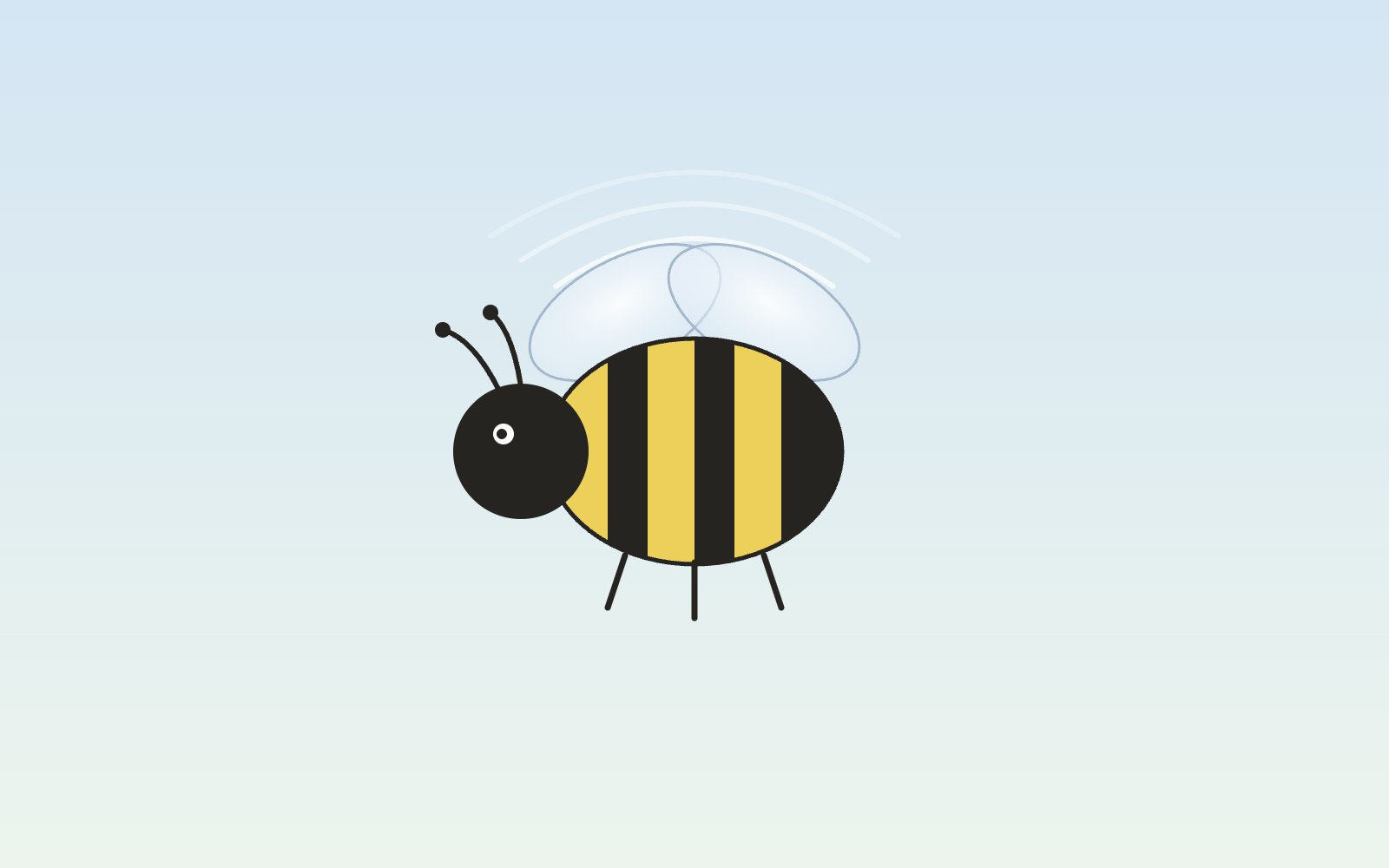
Bees fly more like drones than planes
A bumblebee stays in the air the way a drone or helicopter does, by moving its wings fast instead of racing forward over a stiff wing.
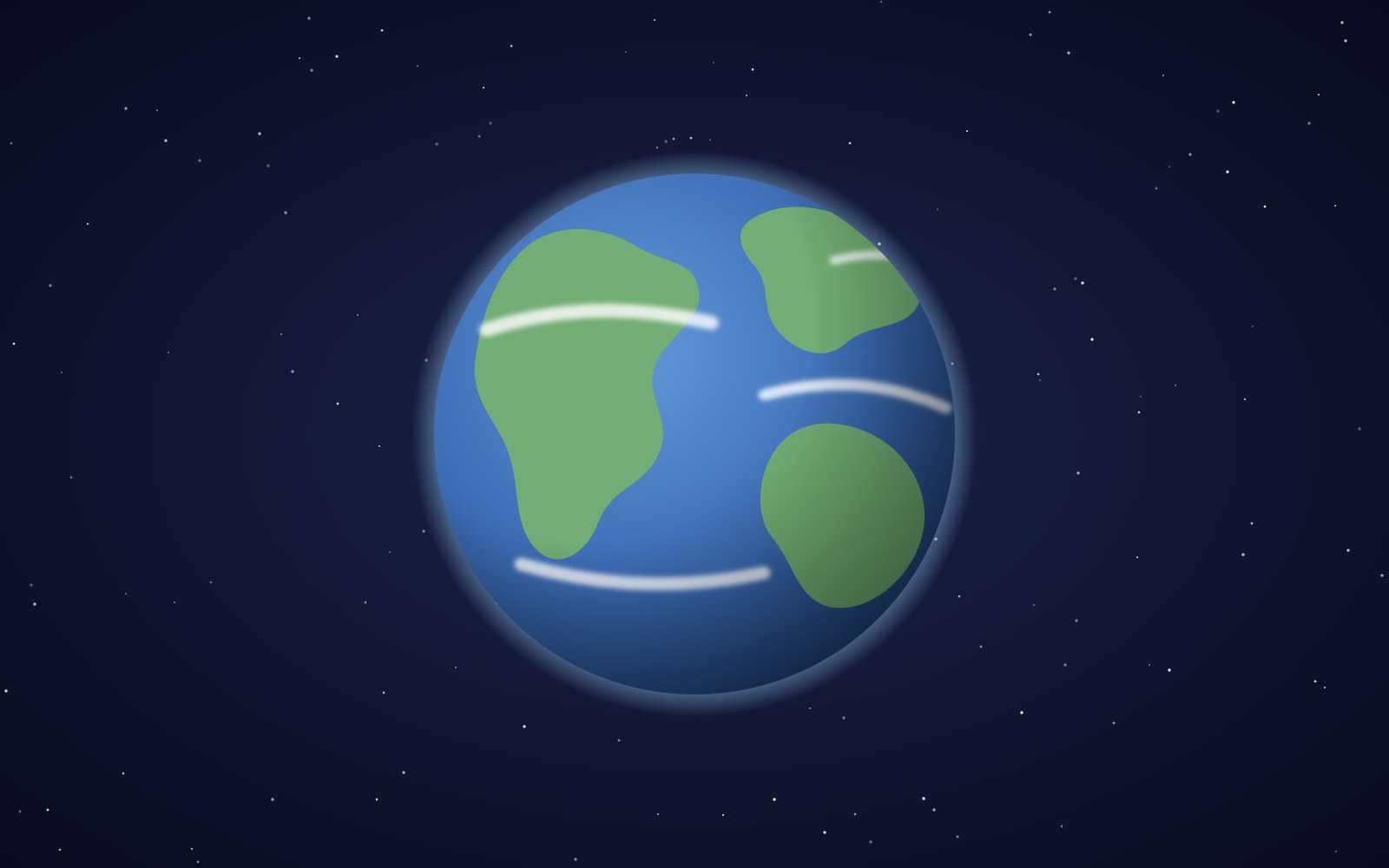
The earth is, in fact, actually round
You can check that Earth is round from a beach, a campsite or a phone call to a friend in another time zone. People worked it out more than two thousand years ago, and one of them even measured it with shadows.

What is Hermes?
Hermes is an open source AI agent harness from Nous Research that runs on your own computer, uses tools, remembers past sessions and learns skills. Here is what it does and how to install and set it up.

Meet the Night Sky UI Kit
Three animated React components for dark, night-sky themed sites: a star cursor, a twinkling starfield and a soft aurora glow. Here is what's inside and how to add it.

Behind the Star Cursor
How the Star Cursor draws its comet tail and sparkle dust, and why it quietly steps aside on touch screens and for anyone who prefers reduced motion.

5 trendy UI effects
A star cursor with a comet tail, frosted glass panels, scroll-driven animation, smooth page transitions and gradients that actually move, plus the one tip we would give for each.

How to make cards lift as you scroll on a phone
Phones can't hover, so our blog cards used to sit flat on mobile. Here's the small CSS class and IntersectionObserver we use to lift whichever card is in the middle of the screen as you scroll.

What llms.txt is, and how we added one to our site
A plain-English look at llms.txt, the proposed markdown file that gives AI assistants a short map of your site, what it can and can't promise, and how we wrote and tested our own.

Tell Google who you are with a few lines of code
Small business names collide, and search engines have to guess which one you meant. Organization structured data is one way a site owner can stop them guessing. Here's what it is, what we put in ours, and how to test it.
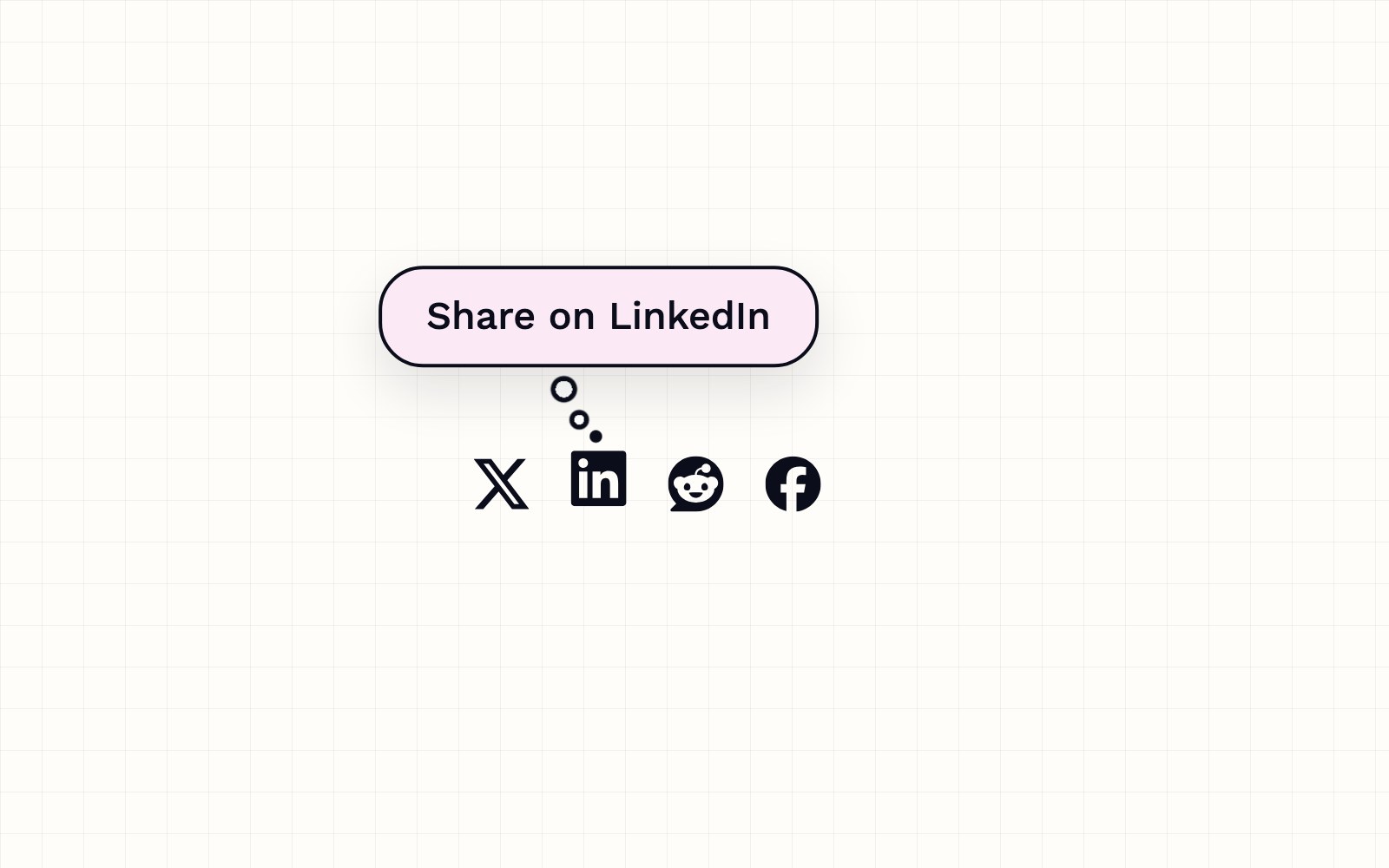
How to build a thought-bubble tooltip with pure CSS
A step-by-step CSS tutorial for a tooltip that reads its label from a data attribute, pops up in a rounded bubble, trails off in three little circles and stays clickable, with no JavaScript.

Building night sky effects that know when to sit out
How the Night Sky UI Kit's star cursor, starfield and aurora check the visitor's device and settings before they draw a single frame.

How you can set up pull requests to get an automatic first review
Give every pull request an automatic first review the moment it opens, and send each new pull request and its review to a dedicated Slack channel. Here is how the pieces fit.

How visitors book a call on our site
Picking a time with us takes a few clicks and never leaves the page. Here is how the booking calendar on our site works, and the small checks that stop two people grabbing the same hour.

Inside our resumable, review-gated video production pipeline
How we built a local seven-step pipeline that turns a history topic into a captioned video, with resumable state, bounded retries, and a human review gate.