Most of the light around you is invisible
Our eyes catch only a thin band of all the light there is, from violet to red. Here is what we miss, which animals see more of it, and how we use the invisible rest every day.
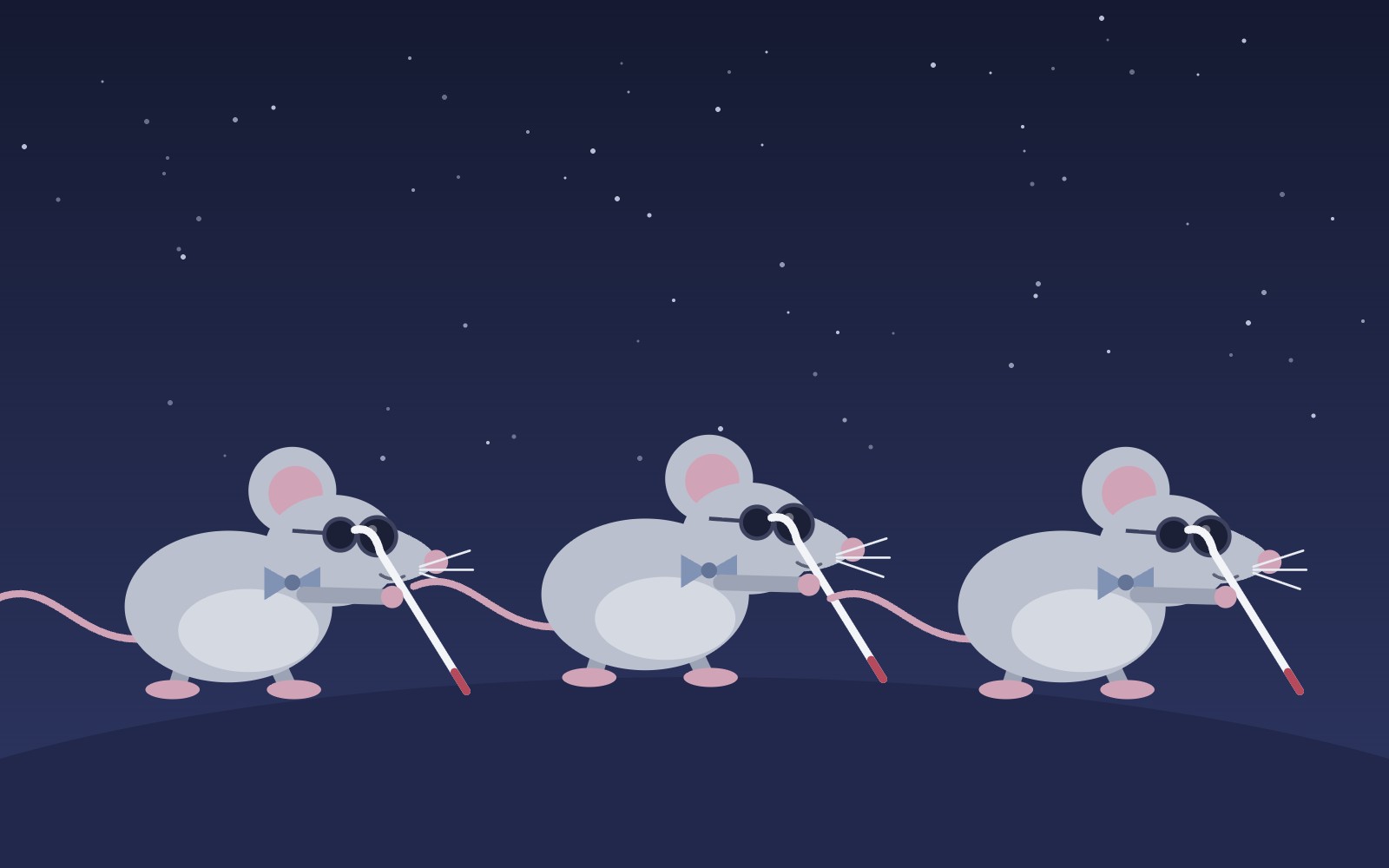
Here is a humbling thought. You are, in a very real sense, a blind mouse. Right now the room around you is full of light: radio waves, microwaves, infrared heat, a little ultraviolet slipping in from outside. Your eyes pick up almost none of it. What we call light is just the thin band our eyes happen to catch, a narrow run from violet to red. NASA puts it plainly: the human eye can detect only a small portion of the spectrum. Everything else is happening all around us, all day long, and we walk through it squinting at our small sliver and calling it the whole picture.
The light we cannot see
Radio waves, microwaves, X-rays and the colors you see are all the same thing: light, and all of it travels at the speed of light. The only real difference between them is the size of the wave. At one end are radio waves, the longest of the lot, which NASA says range from about the length of a football to larger than our planet. Then come microwaves, then infrared, which we feel on our skin as heat. Next is the visible band, the part we actually see. Past violet sits ultraviolet, then X-rays, and finally gamma rays, which have the smallest wavelengths and the most energy of any wave in the spectrum.
To get a feel for how small things get at that end, NASA notes that X-rays measure roughly 0.03 to 3 nanometers, so tiny that some are no bigger than a single atom. Our visible band, by comparison, runs from about 380 nanometers at the violet end to about 700 at the red end. Picture a ruler stretching from waves bigger than Earth down to waves smaller than an atom. The bit our eyes can read is a little notch in the middle of it. Everything on either side of that notch is still light. We just have no receptors for it.
Why our eyes landed on this band
If most light is invisible to us, why this particular slice? There are two handy overlaps worth knowing about. First, the sun's output peaks right in the visible range, according to NASA, so this is where there is the most light to work with. Second, water is a strangely picky material. A physics reference from Georgia State University explains that water absorbs strongly across most of the spectrum but has a narrow window of transparency that includes visible light. It soaks up microwaves and infrared, and just past violet its absorption jumps enormously.
The same source points out that these two facts are physically unrelated, and calls it fortunate for life that they line up. Here is where we move from fact to reasonable guesswork. Early eyes evolved in water, and eyes are made largely of watery tissue, so a sense tuned to the light that sunshine delivers and water lets through makes a lot of sense. That is a tidy story rather than a proven one, so treat it as a strong hunch. Either way, our small window is a sensible place to look, even if it leaves us blind to the rest.
Animals that see what we miss
Plenty of animals live with a different window. NASA notes that some insects, such as bumblebees, can see ultraviolet, which is invisible to us. Bee vision is shifted toward shorter wavelengths than ours, and many flowers carry ultraviolet patterns that researchers call floral guides. So a daisy that looks plain to you may be wearing a landing strip that points a bee straight to the nectar. Pit vipers work the other end. Their pit organs sense infrared as heat, and a 2010 study in Nature describes how their brains lay that thermal picture over what their eyes see, so a warm mouse stands out clearly.
Then there is the mantis shrimp, famous online for having 12 kinds of color receptors against our three. The internet loves to say it sees colors we cannot imagine. The actual research is funnier. A 2014 study in Science led by Hanne Thoen at the University of Queensland tested them and found they were worse than humans at telling similar colors apart. Unlike us, they do not seem to compare signals between receptor types, so their way of encoding color is different from other animals. More receptors did not mean a richer view. It meant a different way of reading color.
The invisible light you use every day
You rely on the invisible bands all the time, usually without noticing. Wi-Fi is a networking technology that uses radio waves, and Britannica traces it back to a 1985 ruling that opened bands such as 2.4 gigahertz for anyone to use. So your living room, which looks completely empty, is humming with radio waves carrying messages, videos and cat photos all around you. A microwave oven, the FDA explains, uses microwaves to make the water molecules in food vibrate, and that vibration produces the heat that warms your leftovers.
Your TV remote talks in infrared at around 940 nanometers, just past red. NASA suggests a fun test: point it at a phone camera, because some cameras can pick up that wavelength even though you cannot. Ultraviolet is the sneaky one. UV-B rays are the ones that cause sunburn, and NASA says the ozone layer absorbs about 95 percent of them, which is lucky. At the dentist, X-rays pass through soft tissue but get absorbed more by dense material like bone and teeth, which is why the picture shows your fillings in such detail.
Telescopes that see the rest of the sky
Look up on a clear night and you see a scattering of dots. That is the blind mouse view again. In 1932, Karl Jansky at Bell Labs showed that stars and other objects in space give off radio waves, and today whole arrays of dishes listen to that sky. The Very Large Array in New Mexico has 27 antennas spread across up to 36 kilometers. Meanwhile the hottest, most violent places in the universe, such as neutron stars and the regions around black holes, pour out gamma rays that our eyes will never catch.
The James Webb Space Telescope is built to see in infrared. NASA says it is designed to look back more than 13.5 billion years to spot some of the first galaxies, whose light arrives stretched into infrared by its long trip. Webb even has a five layer sunshield that NASA compares to sun protection of SPF 1 million, which is the kind of number that makes regular sunscreen feel a bit shy. The pictures it sends back are translated into colors we can see, a bit like subtitles for a language our eyes do not speak.
So the next time you look around a room and think you are seeing everything, remember the blind mouse. The air is full of radio chatter, the sun outside is sending down ultraviolet that can burn your skin without you seeing a thing, the flowers are wearing patterns meant for bees, and the sky is shining in bands we will never see directly. Our eyes cover just a small sliver from violet to red, and most of reality is happening in light we cannot see. The good news is that we built radios, cameras and telescopes to fill in the gaps. We may be blind to most of the light out there, but we are very curious mice.
More articles
The moon is, in fact, an inanimate, dusty old rock
The moon is a layered ball of rock about 4.5 billion years old, wrapped in sharp gray dust and almost no air. Here is what it is made of, where it probably came from and why it barely changes.
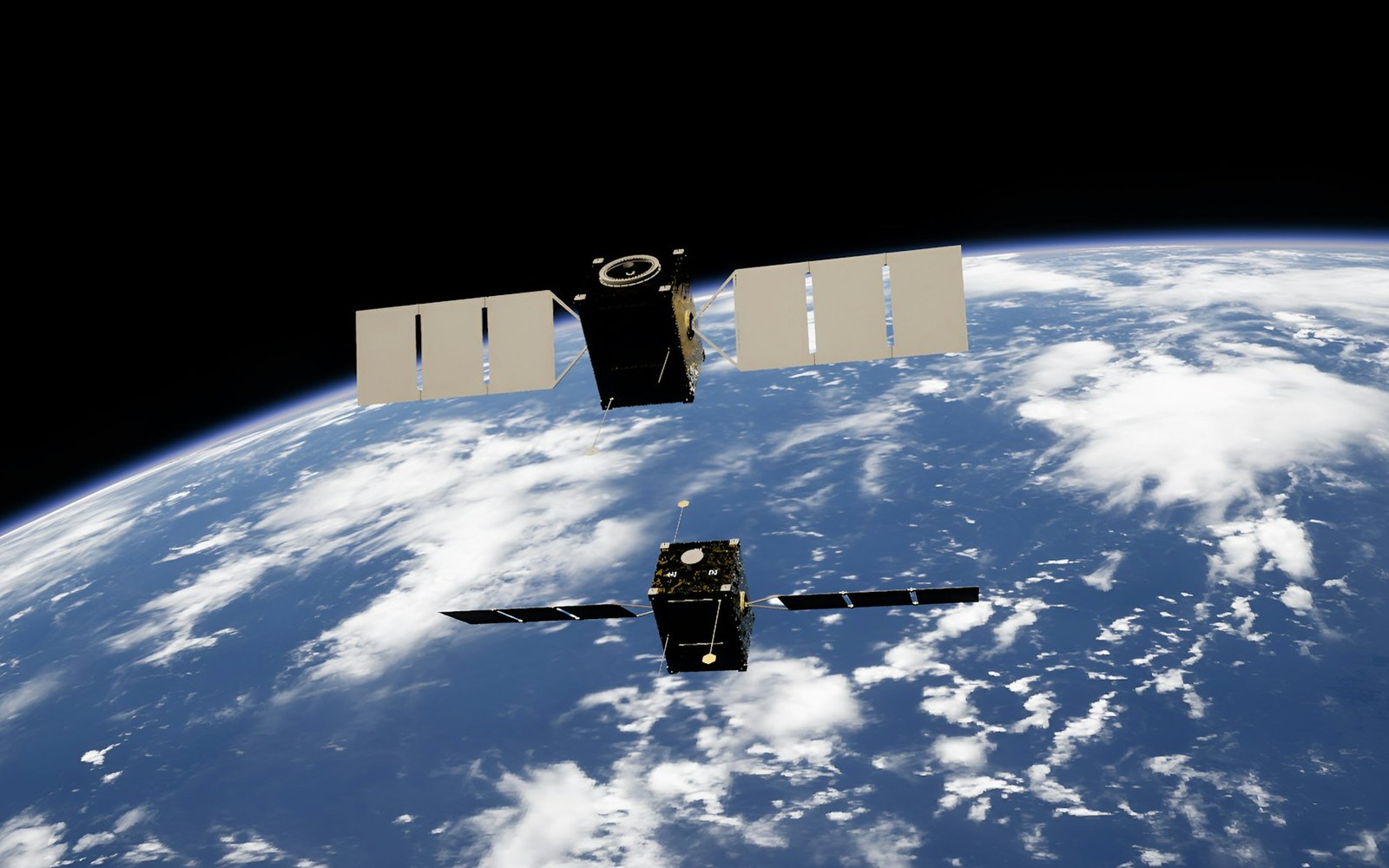
How solar storms mess with satellites
The sun has weather, and some of it reaches us. Here is how solar flares and the storms that follow can sink satellites, scramble GPS and even trip power grids, and how people keep watch.

Patterns in sound
Sprinkle salt on a drum, play a steady note, and the grains slide into neat lines and rings. Here is why sound draws pictures, who first noticed, how to try it at home, and what all this has in common with a snowflake.
Most of the sound around you goes unheard
Human ears catch only a middle band of all the sound there is. Here is what we miss, which animals hear it, and why the hums and whines from our own gadgets can still get under our skin.
What is LaserSETI?
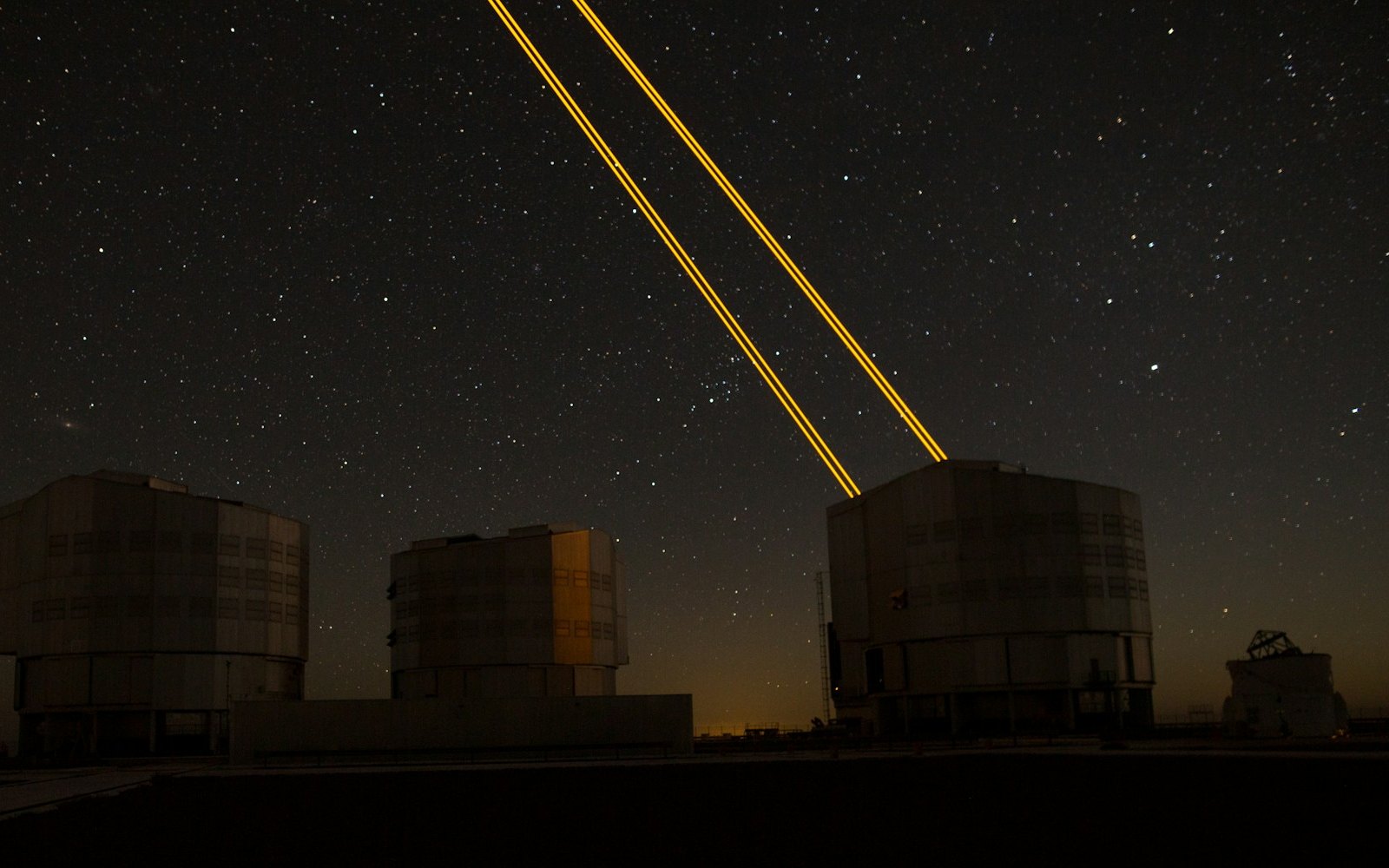
LaserSETI is a growing network of rooftop cameras that watch huge patches of the night sky for a single-color flash of light. Here is how it works, where the stations are in 2026, and what it has (and has not) found.

The science of music
Why a good chorus gives you chills, why the Mozart effect fizzled, and why some songs refuse to leave your head. Here is what the research actually says about music, mood and focus.
Bill Nye is still teaching
A science show from the 1990s is still turning up in classrooms. Here is what Bill Nye the Science Guy was, why so many grownups remember it so fondly, and why teachers keep pressing play.

Why is the sky blue?
The sky is blue because the tiny bits of gas in the air reflect blue sunlight around much more than red light, so blue reaches our eyes from every part of the sky.
Why the sun and moon look the same size
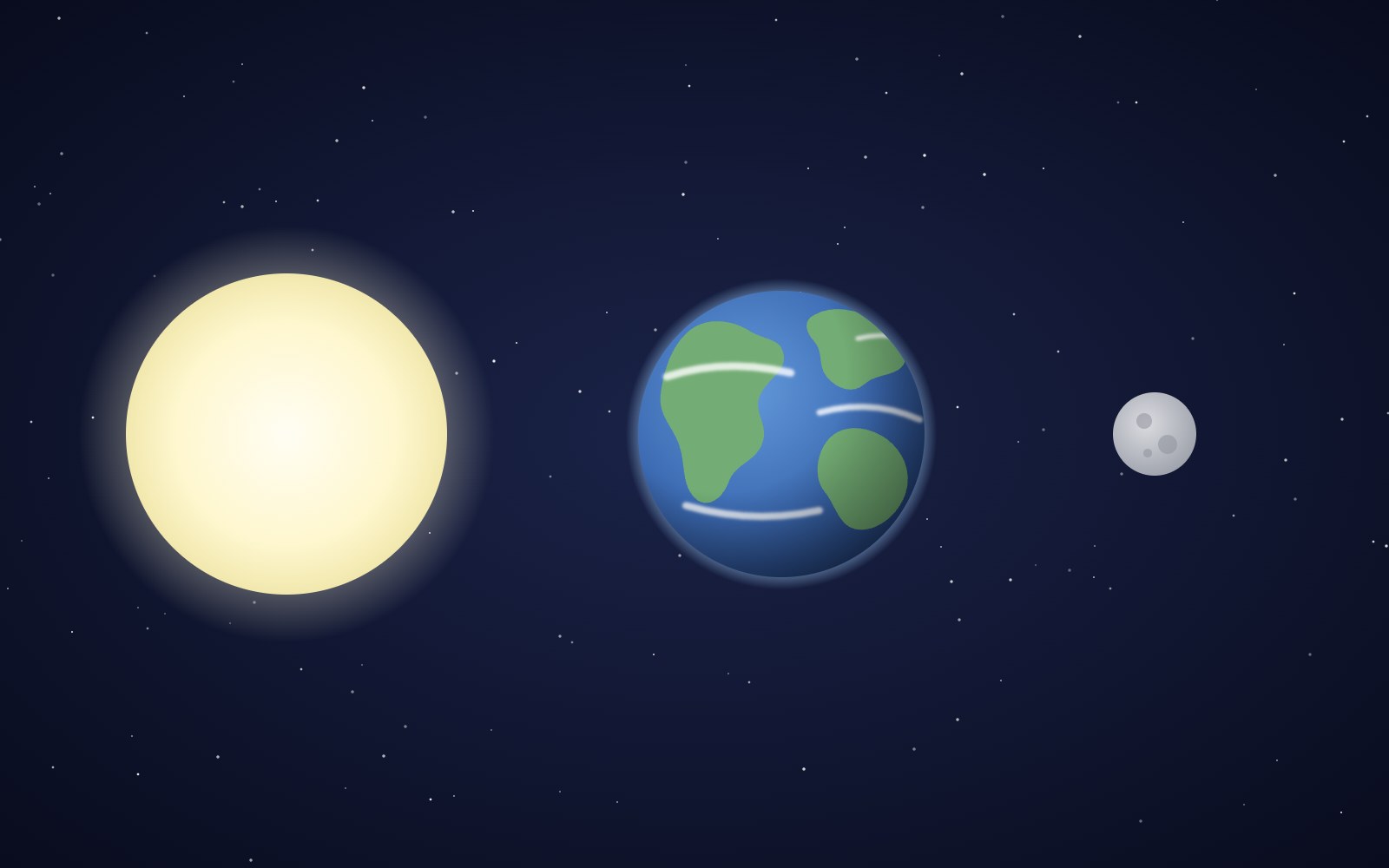
The sun is about 400 times wider than the moon and also about 400 times farther away, so the two discs look almost the same size in our sky. That match is a coincidence of timing, and it will not last forever.
Bees fly more like drones than planes
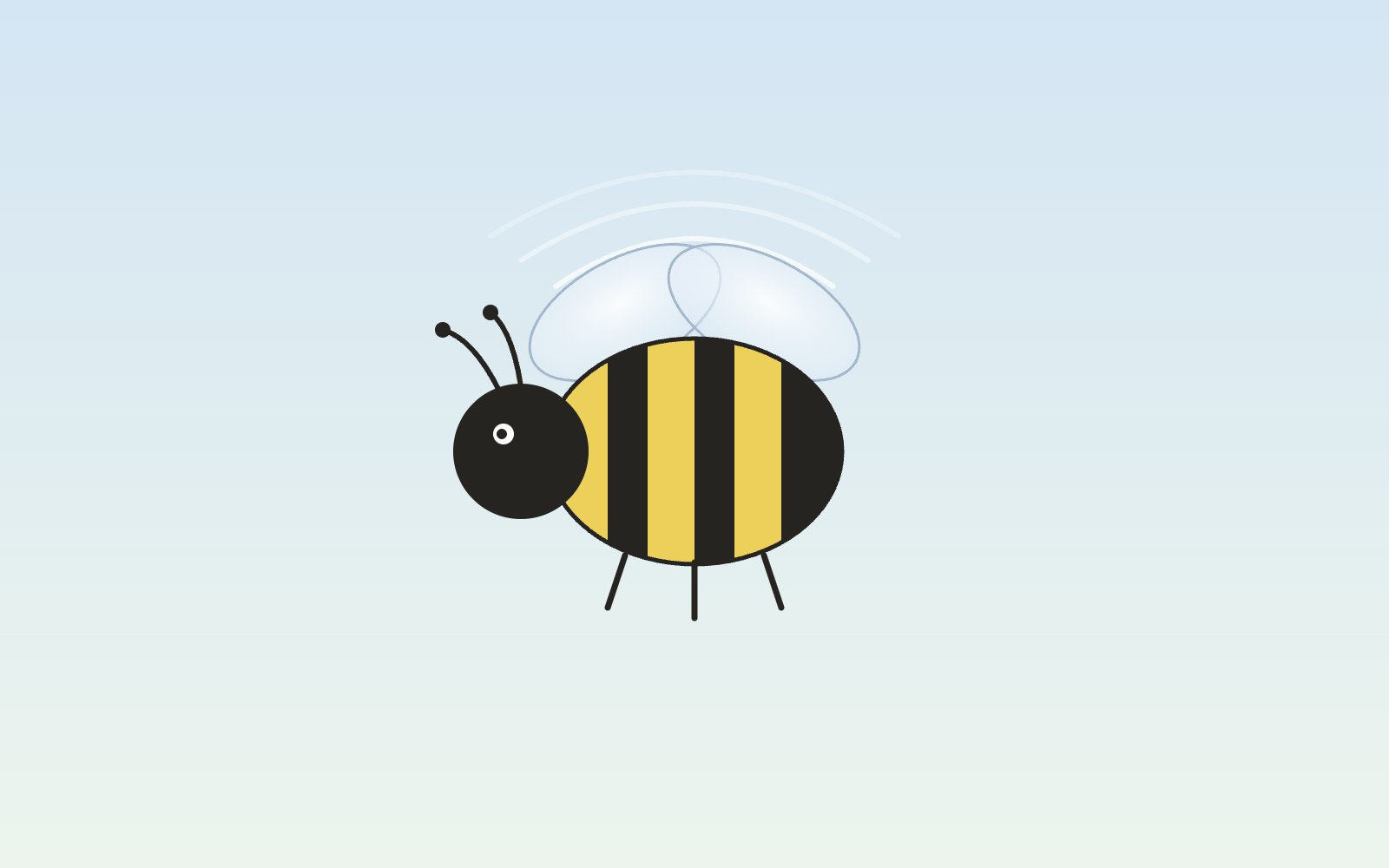
A bumblebee stays in the air the way a drone or helicopter does, by moving its wings fast instead of racing forward over a stiff wing.
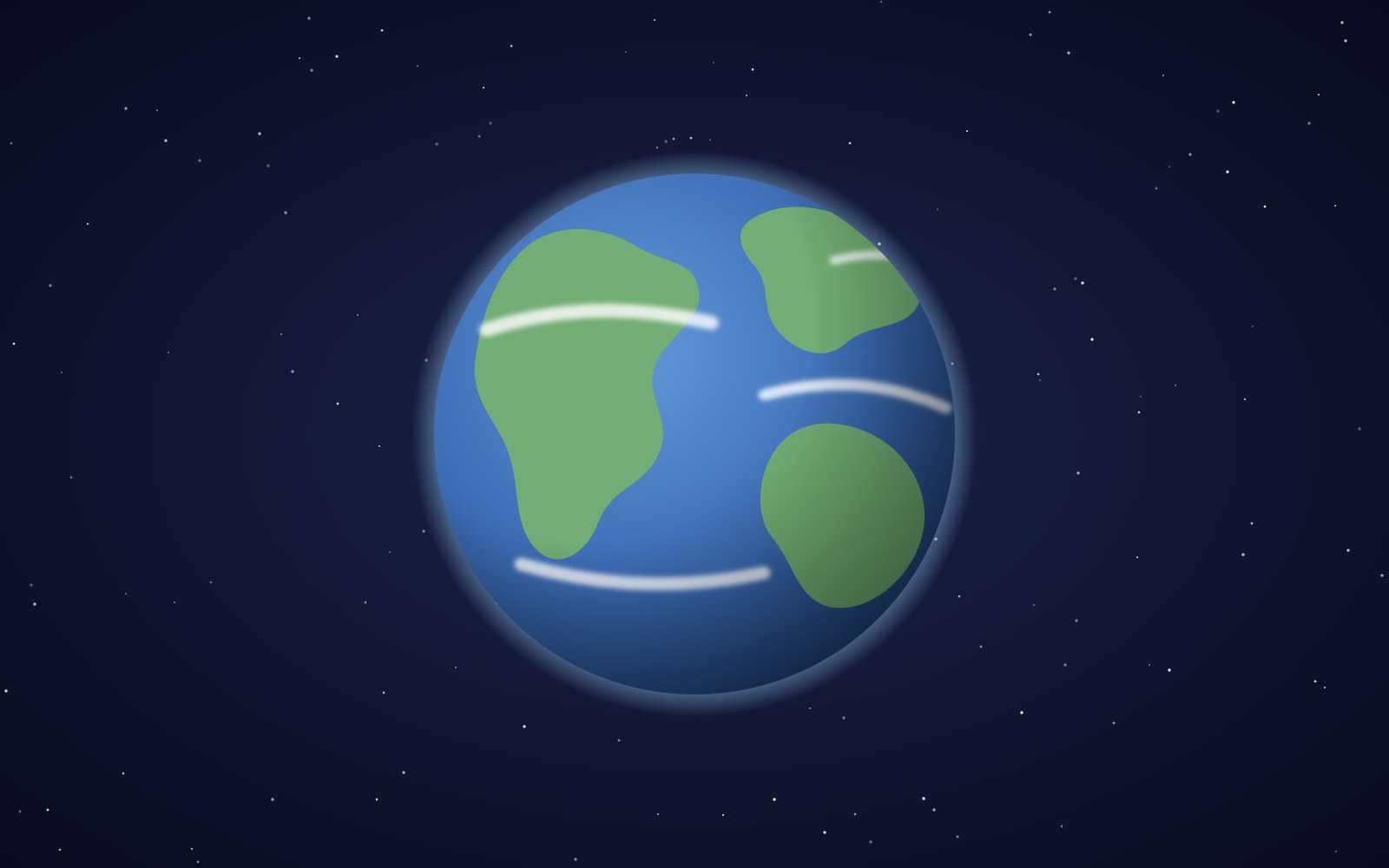
The Earth is, in fact, round
You can check that Earth is round from a beach, a campsite or a phone call to a friend in another time zone. People worked it out more than two thousand years ago, and one of them even measured it with shadows.
Meet the Night Sky UI Kit
Three animated React components for dark, night-sky themed sites: a star cursor, a twinkling starfield and a soft aurora glow. Here is what's inside and how to add it.

Behind the Star Cursor
How the Star Cursor draws its comet tail and sparkle dust, and why it quietly steps aside on touch screens and for anyone who prefers reduced motion.

5 trendy UI effects
A star cursor with a comet tail, frosted glass panels, scroll-driven animation, smooth page transitions and gradients that actually move, plus the one tip we would give for each.
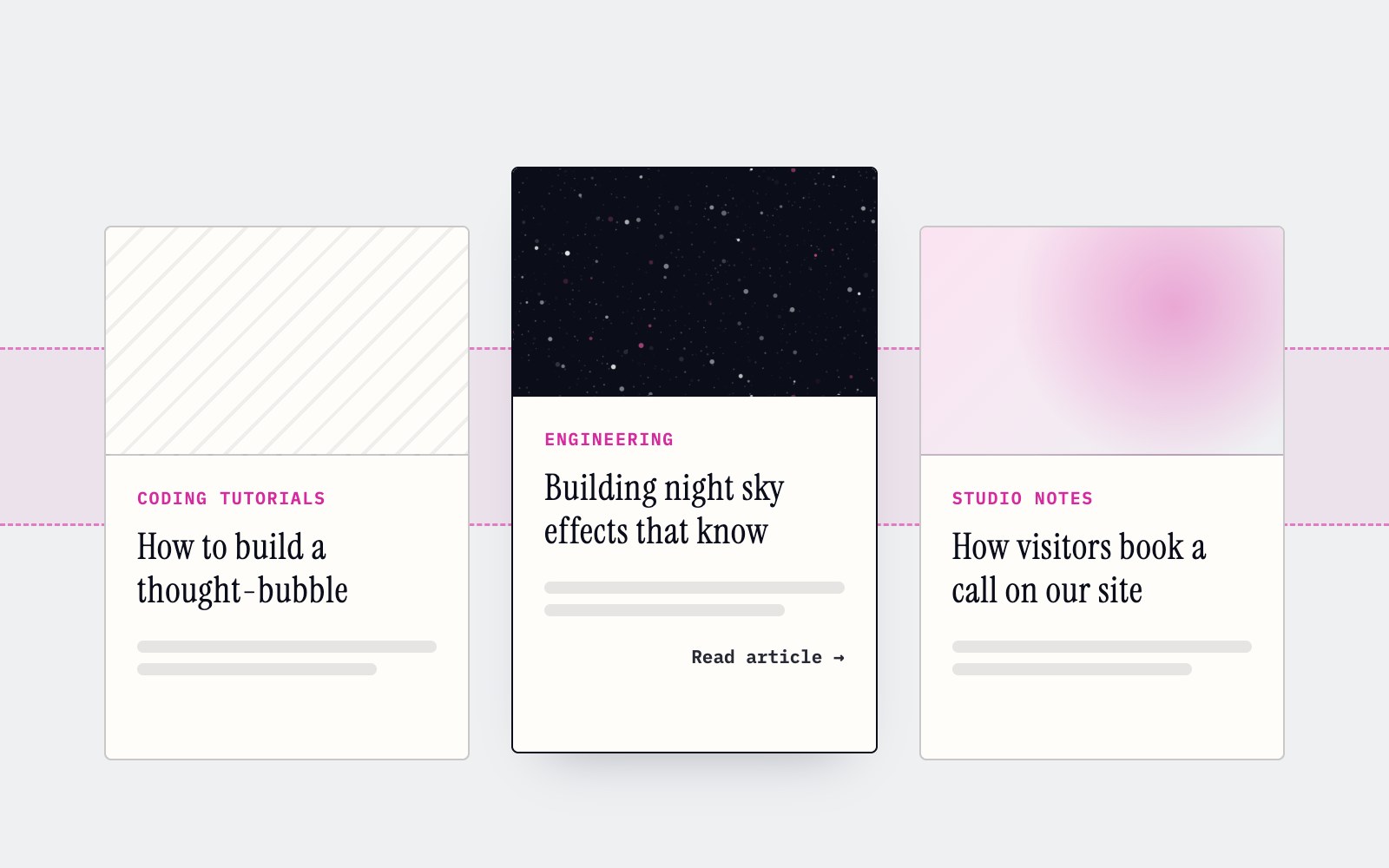
How to make cards lift as you scroll on a phone
Phones can't hover, so our blog cards used to sit flat on mobile. Here's the small CSS class and IntersectionObserver we use to lift whichever card is in the middle of the screen as you scroll.

What llms.txt is, and how we added one to our site
A plain-English look at llms.txt, the proposed markdown file that gives AI assistants a short map of your site, what it can and can't promise, and how we wrote and tested our own.

Tell Google who you are with a few lines of code
Small business names collide, and search engines have to guess which one you meant. Organization structured data is one way a site owner can stop them guessing. Here's what it is, what we put in ours, and how to test it.
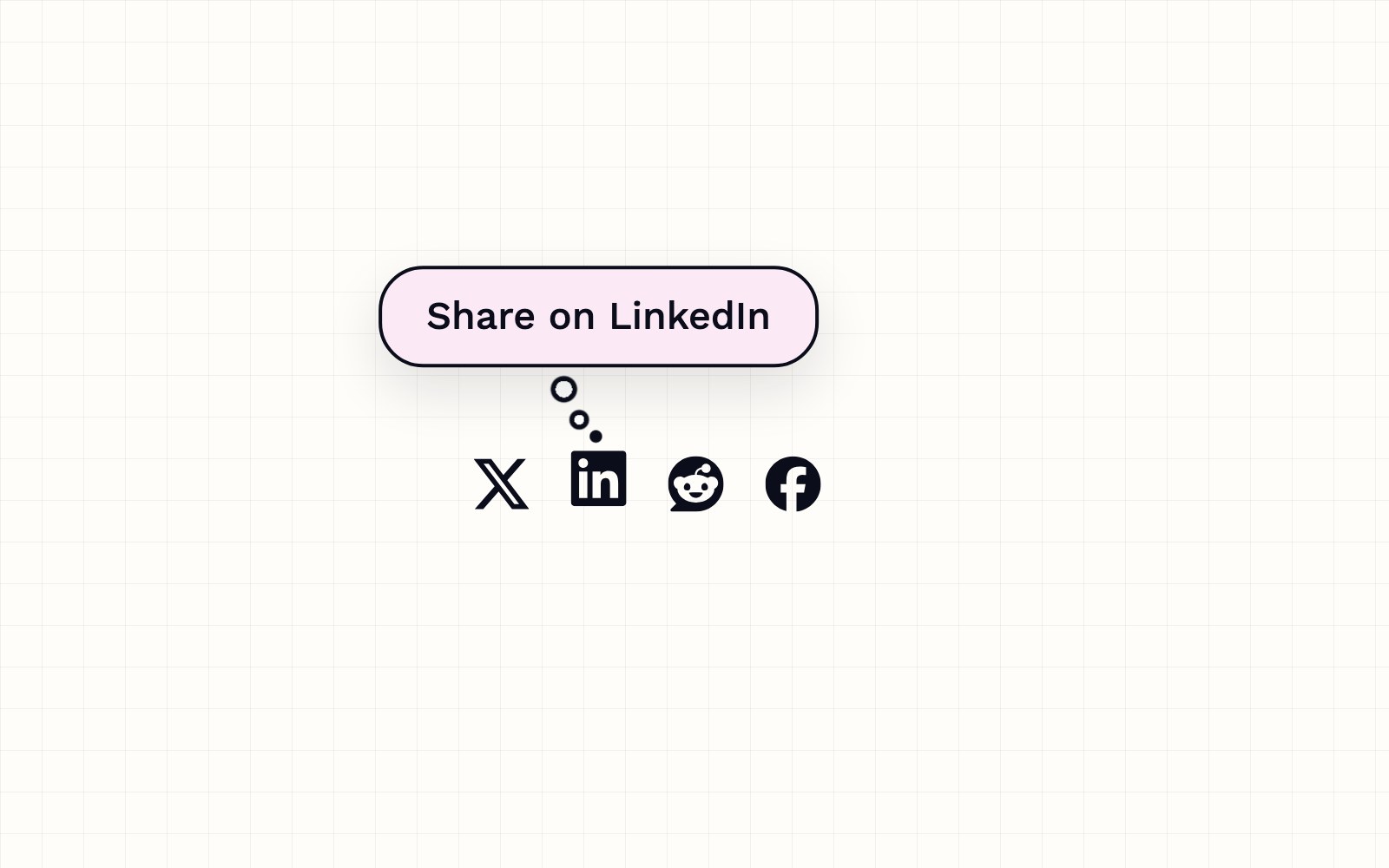
How to build a thought-bubble tooltip with pure CSS
A step-by-step CSS tutorial for a tooltip that reads its label from a data attribute, pops up in a rounded bubble, trails off in three little circles and stays clickable, with no JavaScript.

Building night sky effects that know when to sit out
How the Night Sky UI Kit's star cursor, starfield and aurora check the visitor's device and settings before they draw a single frame.

How you can set up pull requests to get an automatic first review
Give every pull request an automatic first review the moment it opens, and send each new pull request and its review to a dedicated Slack channel. Here is how the pieces fit.
How visitors book a call on our site
Picking a time with us takes a few clicks and never leaves the page. Here is how the booking calendar on our site works, and the small checks that stop two people grabbing the same hour.
Inside our resumable, review-gated video production pipeline
How we built a local seven-step pipeline that turns a history topic into a captioned video, with resumable state, bounded retries, and a human review gate.