Patterns in sound
Sprinkle salt on a drum, play a steady note, and the grains slide into neat lines and rings. Here is why sound draws pictures, who first noticed, how to try it at home, and what all this has in common with a snowflake.
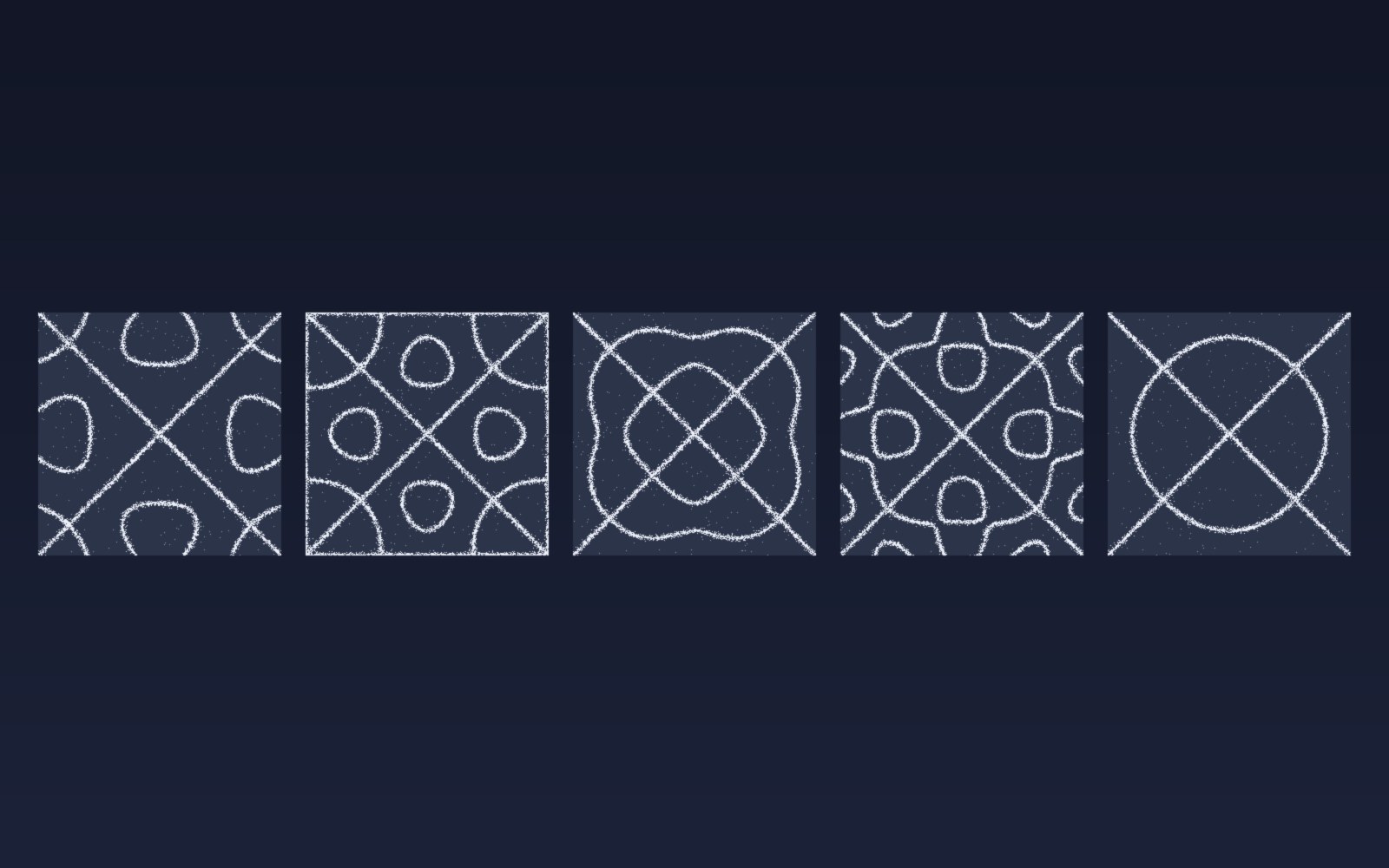
Here is a small experiment with a big payoff. Take a thin metal plate, or a drum, sprinkle a little salt or sand on top, and make it hum with a steady note. At first the grains just jitter. Then, as if someone had quietly organized them, they slide into lines, rings and stars. Change the note and the whole picture rearranges itself into something new, often something fancier. It looks like the sound is drawing. In a way it is, just with rules instead of a pencil. These shapes have a name, Chladni figures, and they have fascinated scientists, instrument makers and curious kids for more than two hundred years. Here is what is going on, where the idea came from, how to try it yourself, and why it reminds so many people of snowflakes.
Why the salt makes shapes
When you tap a drum or rub a plate, the surface starts bending up and down. At certain notes, called resonant frequencies, those ripples bounce off the edges and overlap so neatly that the pattern of motion holds still in place. Physicists call this a standing wave. It sounds contradictory, a wave that stands, but it simply means some parts of the surface swing wildly while others barely move at all. The still spots are called nodes, and on a plate they join up into nodal lines. The busiest spots are called antinodes. A physics demonstration page at the University of California, Santa Barbara puts the whole trick in one line: the sand moves away from the antinodes and settles in the nodes, revealing the pattern.
So the salt is not really drawing the shape. It is being kicked out of everywhere the shape is not. Grains sitting on a bouncing patch get tossed around until they land somewhere calm, and then they stay put. After a few seconds, the calm places are the only places left with any salt, and the invisible vibration becomes a visible map. The note matters a lot. The physics labs at the University of Colorado Boulder show a square plate at rising frequencies, and each step adds more nodal lines, slicing the plate into smaller and smaller pieces. Higher notes, in other words, tend to give more intricate patterns. The shape of the plate matters too. The same demonstration shows circular plates making rings and square plates making crisp, symmetrical grids.
The man with the violin bow
The patterns carry the name of Ernst Chladni, a German physicist and musician born in Wittenberg in 1756. According to a 2007 article on his life in The European Physical Journal, he clamped a brass plate in a vise and found that stroking its edge with a violin bow gave stronger, steadier tones than tapping it by hand. He had read about the physicist Georg Lichtenberg, who dusted powder over insulators to reveal the tracks of electric sparks, so Chladni tried spreading sand on his humming plate. Within a few seconds the sand formed a star with ten rays. He published his findings in 1787 and spent much of his life touring Europe, where audiences cared far more about the sand pictures than about the new instruments he brought along.
The tour eventually led to Paris. In February 1809 Chladni was invited to perform his experiments for Napoleon at the Tuileries Palace, and the next morning he received 6,000 francs and a request to publish his acoustics book in French. Napoleon also offered a prize of 3,000 francs for a mathematical theory of the patterns. The Paris Academy set the challenge, and in its first round only one person entered: the self taught mathematician Sophie Germain. The MacTutor history archive at the University of St Andrews says her first attempt fell short, her second earned an honorable mention, and her third won in 1816, with a gold medal weighing one kilogram. Her answer still had gaps, and a complete solution for circular plates did not arrive until Gustav Kirchhoff in 1850.
From sand on plates to cymatics
In the 1960s a Swiss scientist and artist named Hans Jenny picked up where Chladni left off and pushed much further. He spent years setting all kinds of materials vibrating and recording what they did, and he gave the whole field a name: cymatics, from the Greek word kyma, meaning wave. A 1969 issue of the UNESCO Courier ran his account of these experiments under the lovely title The Sculpture of Vibrations. Jenny hoped the work would one day serve fields as far apart as biology and astrophysics, and that part has aged more like a dream than a finding. What has held up is the core idea he kept coming back to. Vibrations have structure, and when you give them something light and loose to push around, you can watch that structure appear.
You do not need to hunt for a gallery to see this in action. Physics departments keep Chladni plates on hand because they explain standing waves better than any diagram. Santa Barbara's version uses a signal generator and a mechanical drive that shakes the plate, with square, circular and even violin shaped plates. Instrument makers use the same trick for real work. Erik Jansson at the KTH Royal Institute of Technology in Stockholm describes a method for violin plates that sets the wood over a loudspeaker and sprinkles it with sawdust or tea leaves. Physicists at the University of New South Wales note that the patterns give makers feedback while they scrape a violin plate to its final shape, since a symmetrical plate gives a symmetrical pattern and a lopsided one usually does not.
Try it on your kitchen table
You can make a humble version of the salt drum with things from the kitchen. The Pacific Science Center in Seattle suggests stretching plastic wrap tightly over a bowl, wrapping it far enough to overlap underneath so it stays taut, and sprinkling a small pinch of salt in the middle. Then make some noise nearby without touching the bowl. Their version has you whack the lid of a plastic container with a pencil. Science Buddies runs a similar activity and suggests colored sprinkles instead of salt, since they are easier to see. You can also hold a phone or small speaker close to the bowl and play a steady tone, sliding slowly from low to high and watching what the grains do at each step.
A few honest notes before you start. A floppy sheet of plastic wrap is not a stiff metal plate, so expect lively hopping and rough clumps more often than the crisp stars you see in photos. That is still the same physics, just a bit shaggier. Patient sliding between notes is how you find the sweet spots where the salt suddenly behaves. Keep the volume at a normal listening level. You do not need to blast anything, and your ears will thank you, since hearing damage from loud sound can be permanent. Crisp stars or not, the moment the salt snaps into a line is the same thing Chladni saw with his sand.
Are snowflakes sounds caught in water?
It is easy to look at a sand star on a Chladni plate and then at a snowflake and see how alike they are. Both are delicate, both are symmetrical, and both seem to appear out of nothing. Kenneth Libbrecht, a physics professor at Caltech who studies how ice grows and even grows his own snow crystals in a lab, explains that a snowflake is simply ice that grows directly from water vapor in a cloud. The water molecules in ice lock into a hexagonal lattice, and that six sided arrangement is where every snowflake gets its six arms.
The rest of the design comes from the weather along the way. Libbrecht's lab work shows that crystal shape depends on temperature and humidity: thin plates and stars grow around minus 2 degrees Celsius, columns and needles near minus 5, and plates and stars again near minus 15. As a crystal tumbles through the cloud, conditions keep changing, and because all six arms see the same changes at the same moment, they grow in similar ways, even though nothing links them. He adds that most real snow crystals are not very symmetrical at all.
What sand stars and snowflakes share
A Chladni figure and a snowflake both show how a few simple physical rules, left to play out, can build shapes that look carefully designed. Nobody arranges the salt, and nobody carves the ice. On the plate, the rules are the note, the stiffness of the metal and the outline of its edges. In the cloud, they are the shape of the water molecule, the temperature and the humidity. In both cases the symmetry comes from the stage the pattern grows on. A square plate makes square grids, a round plate makes rings, and a hexagonal ice lattice makes six arms.
There is one more lovely parallel. Change the conditions and you change the result. Nudge the frequency and the sand leaps into a new figure. Nudge a snow crystal into colder or damper air and it swaps plates for needles, or sprouts branches. Libbrecht points out that since every crystal takes its own slightly different path through the clouds, complex snowflakes all end up looking different. A Chladni plate is more obedient. Play the same note on the same plate and the same picture comes back every time, which is exactly why violin makers can use it as a tool. One is a pattern you can summon again on demand, and the other is a pattern that happens once, then melts. Both come from simple physics doing its quiet, careful work.
Next time it snows, catch a few flakes on a dark sleeve and look closely before they vanish. You will probably see plenty of broken bits and lopsided crystals, which Libbrecht says is completely normal, and now and then a proper six armed star that grew in the steady air of a single cloud. Then, when you get inside and warm up, stretch some plastic wrap over a bowl, add a pinch of salt and hum a low note at it. Watch the grains scatter from the busy spots and gather in the quiet ones. Neither pattern needs anyone to design it. Both are reminders that the world is full of hidden order, just waiting for something light enough to show it off.
More articles
The moon is, in fact, an inanimate, dusty old rock
The moon is a layered ball of rock about 4.5 billion years old, wrapped in sharp gray dust and almost no air. Here is what it is made of, where it probably came from and why it barely changes.
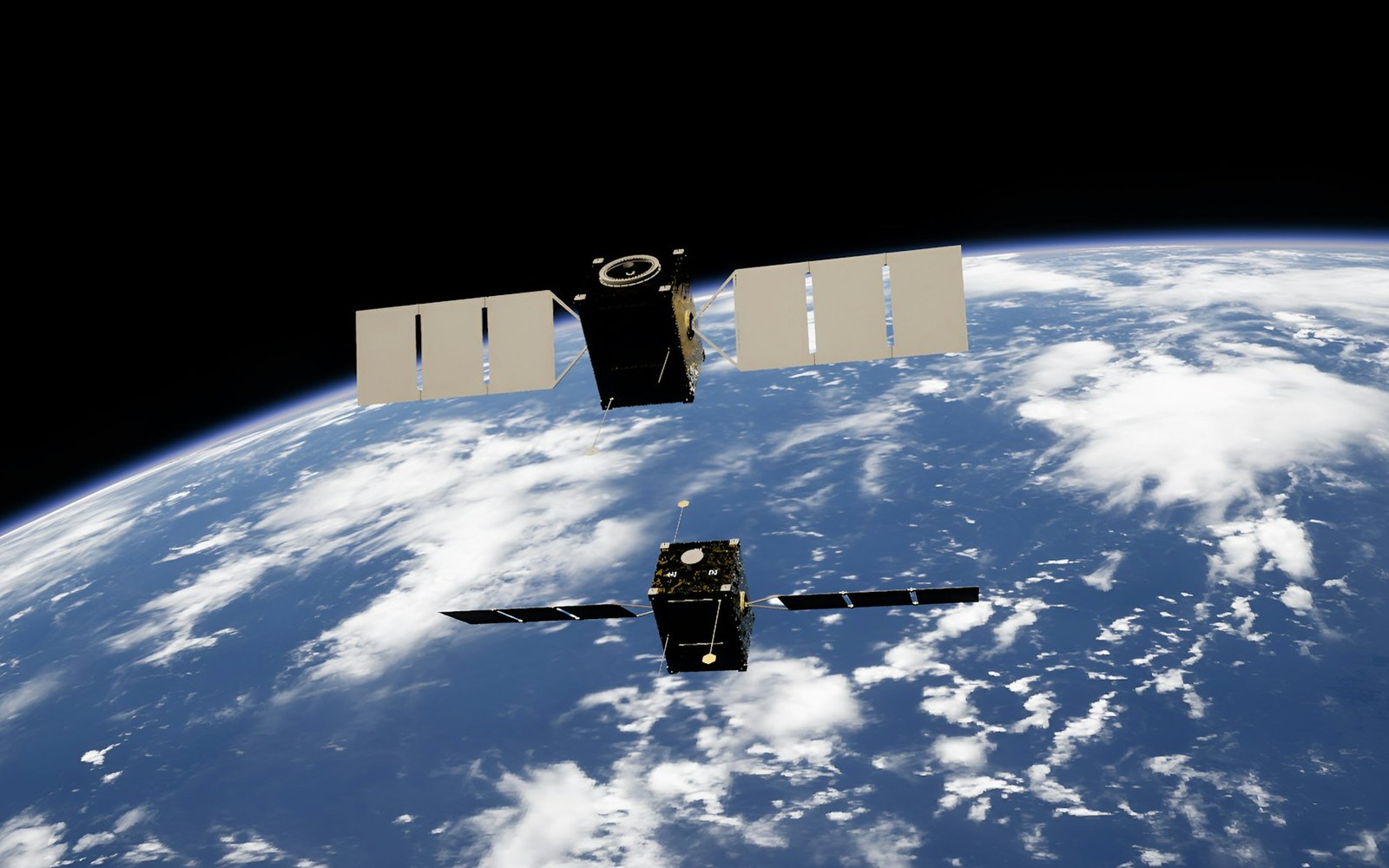
How solar storms mess with satellites
The sun has weather, and some of it reaches us. Here is how solar flares and the storms that follow can sink satellites, scramble GPS and even trip power grids, and how people keep watch.

Most of the sound around you goes unheard
Human ears catch only a middle band of all the sound there is. Here is what we miss, which animals hear it, and why the hums and whines from our own gadgets can still get under our skin.
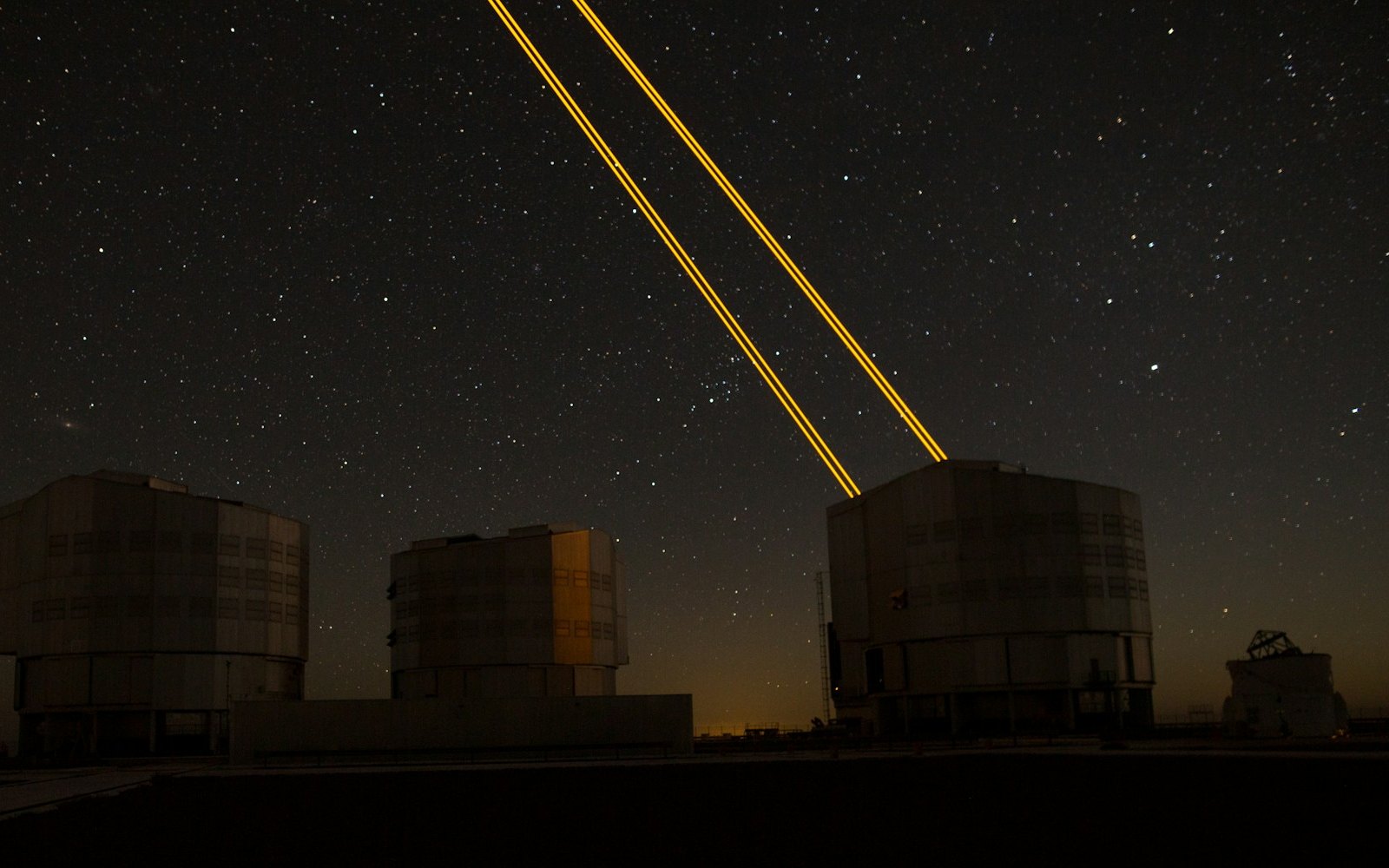
What is LaserSETI?
LaserSETI is a growing network of rooftop cameras that watch huge patches of the night sky for a single-color flash of light. Here is how it works, where the stations are in 2026, and what it has (and has not) found.

Most of the light around you is invisible
Our eyes catch only a thin band of all the light there is, from violet to red. Here is what we miss, which animals see more of it, and how we use the invisible rest every day.
The science of music
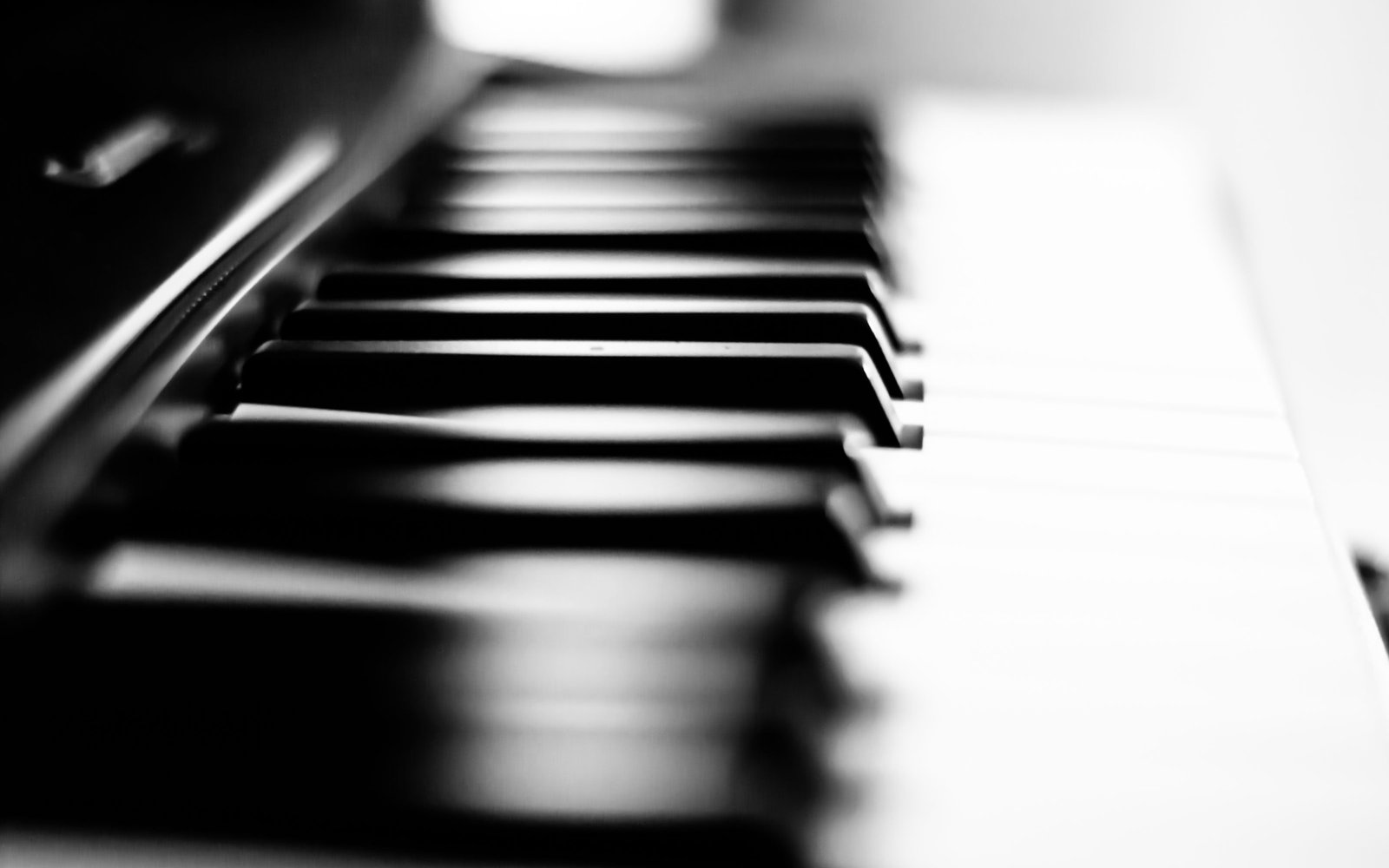
Why a good chorus gives you chills, why the Mozart effect fizzled, and why some songs refuse to leave your head. Here is what the research actually says about music, mood and focus.

Bill Nye is still teaching
A science show from the 1990s is still turning up in classrooms. Here is what Bill Nye the Science Guy was, why so many grownups remember it so fondly, and why teachers keep pressing play.

Why is the sky blue?
The sky is blue because the tiny bits of gas in the air reflect blue sunlight around much more than red light, so blue reaches our eyes from every part of the sky.
Why the sun and moon look the same size
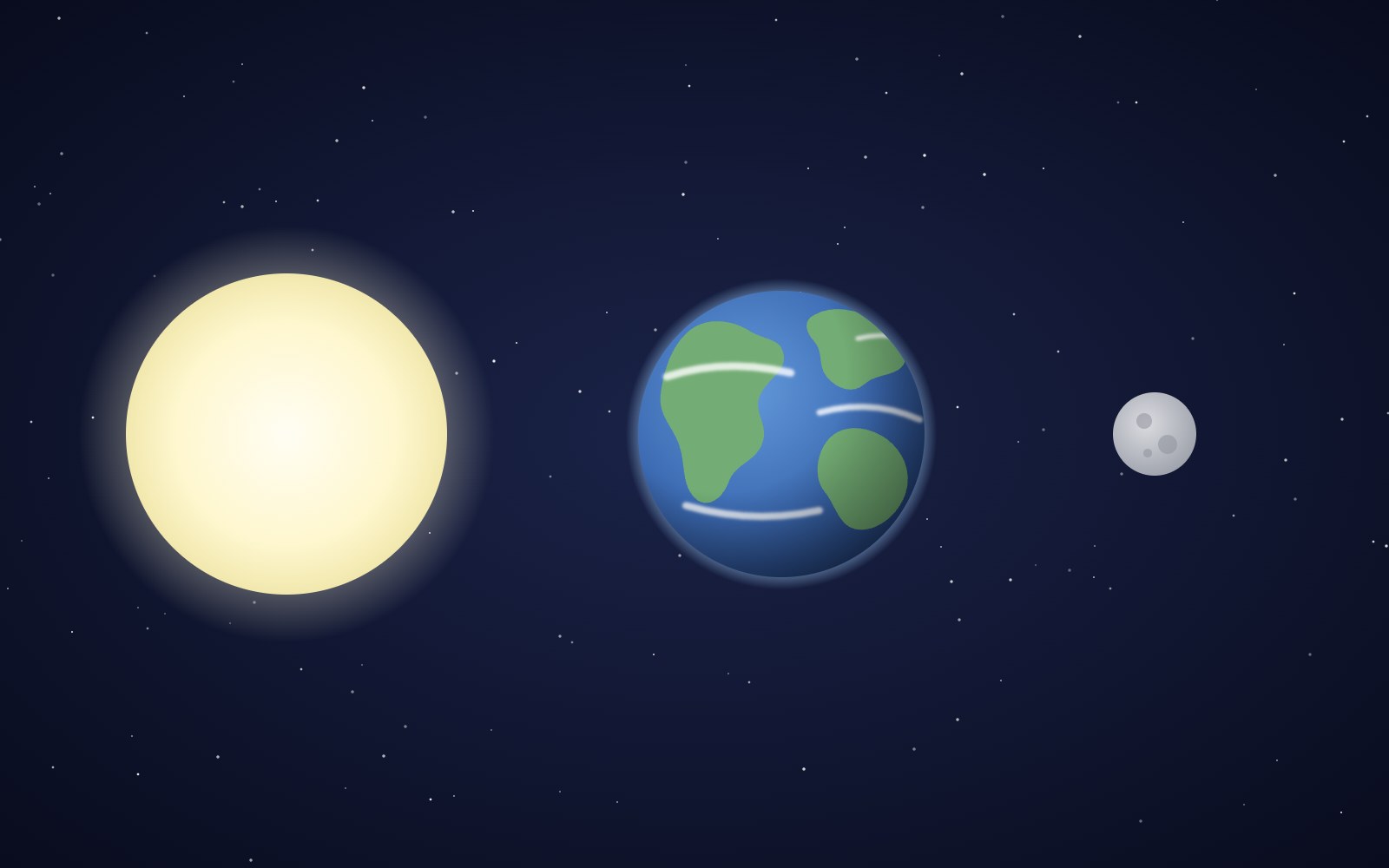
The sun is about 400 times wider than the moon and also about 400 times farther away, so the two discs look almost the same size in our sky. That match is a coincidence of timing, and it will not last forever.
Bees fly more like drones than planes
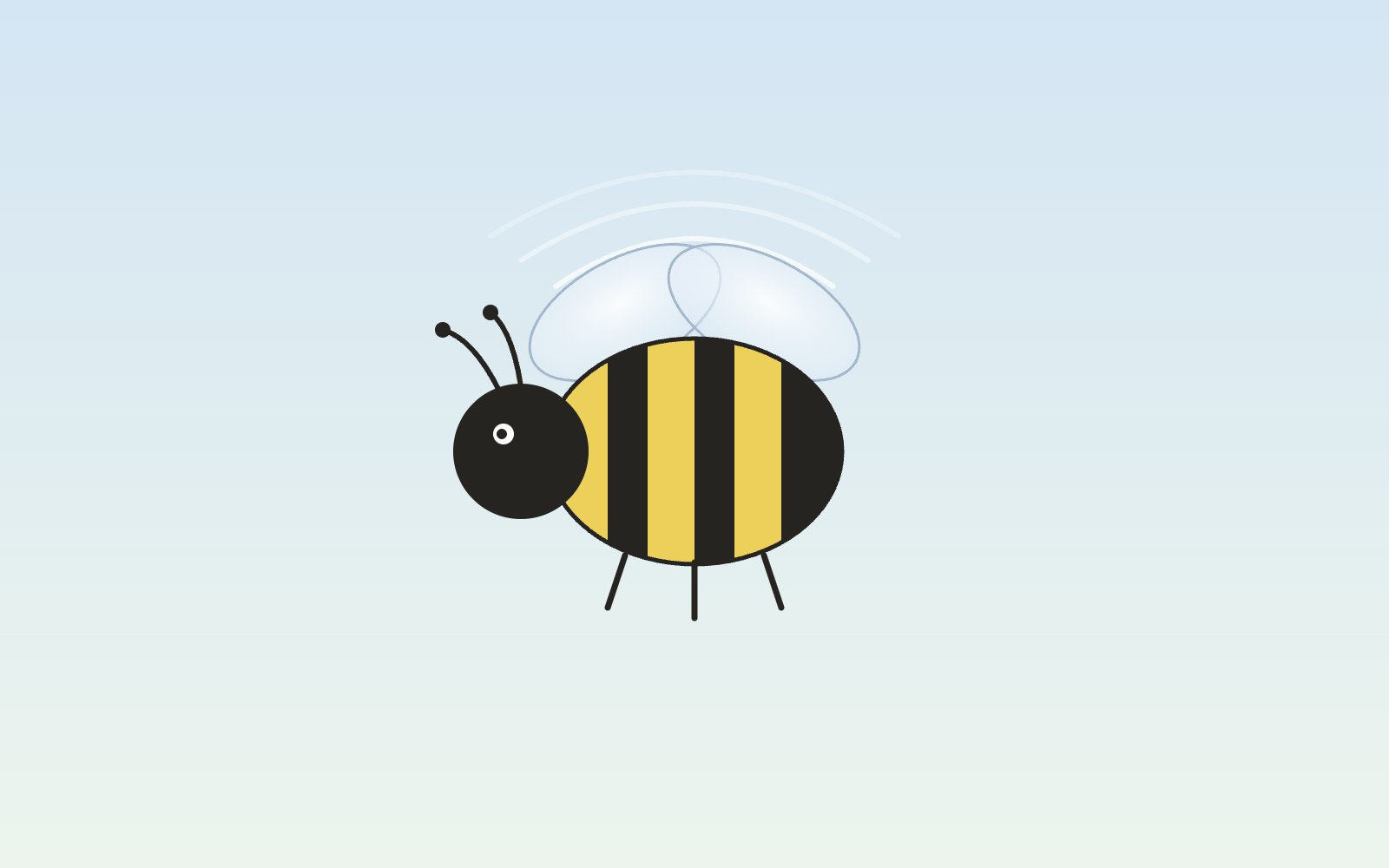
A bumblebee stays in the air the way a drone or helicopter does, by moving its wings fast instead of racing forward over a stiff wing.
The earth is, in fact, actually round
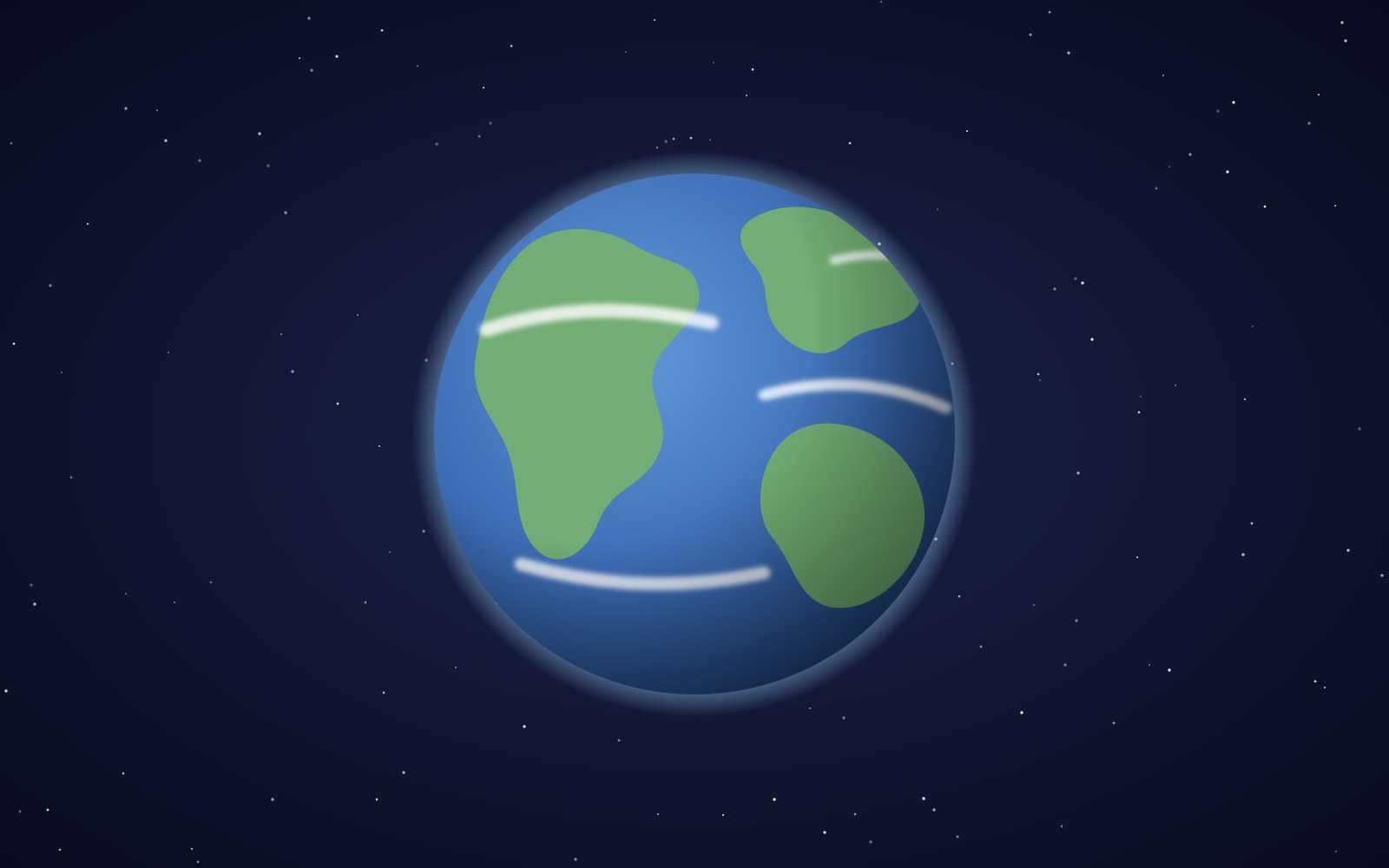
You can check that Earth is round from a beach, a campsite or a phone call to a friend in another time zone. People worked it out more than two thousand years ago, and one of them even measured it with shadows.
What is Hermes?
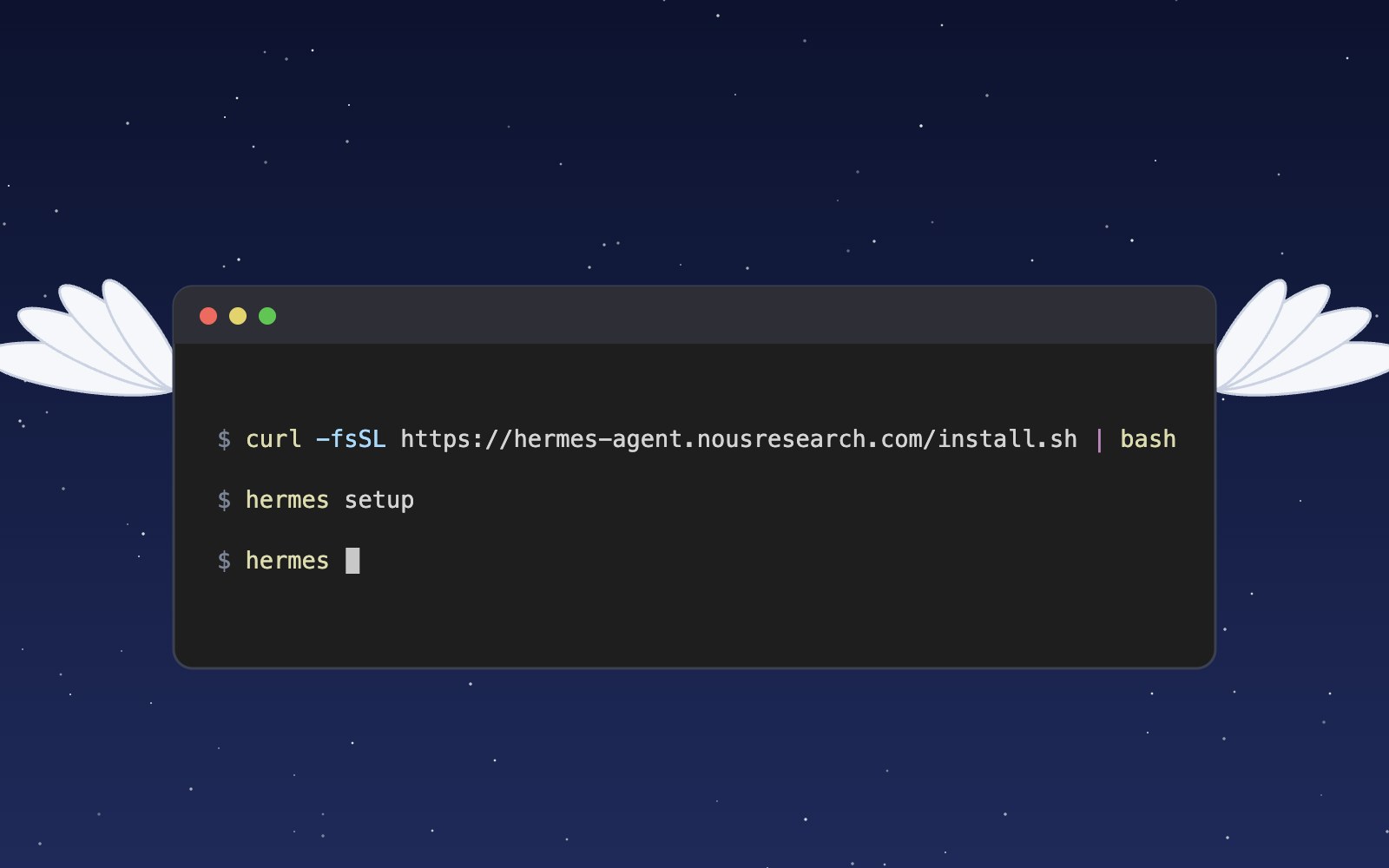
Hermes is an open source AI agent harness from Nous Research that runs on your own computer, uses tools, remembers past sessions and learns skills. Here is what it does and how to install and set it up.

Meet the Night Sky UI Kit
Three animated React components for dark, night-sky themed sites: a star cursor, a twinkling starfield and a soft aurora glow. Here is what's inside and how to add it.

Behind the Star Cursor
How the Star Cursor draws its comet tail and sparkle dust, and why it quietly steps aside on touch screens and for anyone who prefers reduced motion.

5 trendy UI effects
A star cursor with a comet tail, frosted glass panels, scroll-driven animation, smooth page transitions and gradients that actually move, plus the one tip we would give for each.

How to make cards lift as you scroll on a phone
Phones can't hover, so our blog cards used to sit flat on mobile. Here's the small CSS class and IntersectionObserver we use to lift whichever card is in the middle of the screen as you scroll.

What llms.txt is, and how we added one to our site
A plain-English look at llms.txt, the proposed markdown file that gives AI assistants a short map of your site, what it can and can't promise, and how we wrote and tested our own.

Tell Google who you are with a few lines of code
Small business names collide, and search engines have to guess which one you meant. Organization structured data is one way a site owner can stop them guessing. Here's what it is, what we put in ours, and how to test it.
How to build a thought-bubble tooltip with pure CSS
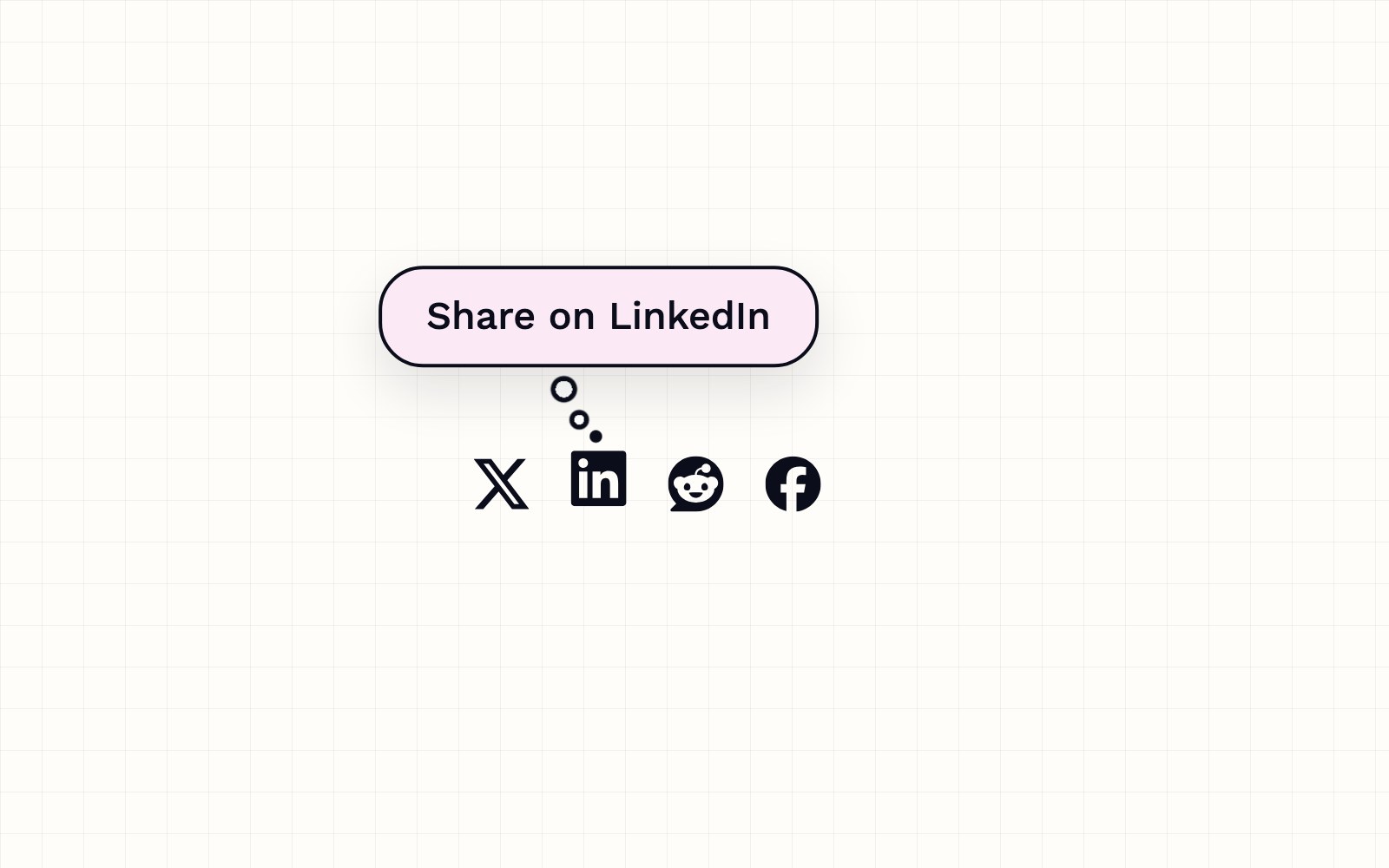
A step-by-step CSS tutorial for a tooltip that reads its label from a data attribute, pops up in a rounded bubble, trails off in three little circles and stays clickable, with no JavaScript.

Building night sky effects that know when to sit out
How the Night Sky UI Kit's star cursor, starfield and aurora check the visitor's device and settings before they draw a single frame.

How you can set up pull requests to get an automatic first review
Give every pull request an automatic first review the moment it opens, and send each new pull request and its review to a dedicated Slack channel. Here is how the pieces fit.

How visitors book a call on our site
Picking a time with us takes a few clicks and never leaves the page. Here is how the booking calendar on our site works, and the small checks that stop two people grabbing the same hour.

Inside our resumable, review-gated video production pipeline
How we built a local seven-step pipeline that turns a history topic into a captioned video, with resumable state, bounded retries, and a human review gate.