Bees fly more like drones than planes
A bumblebee stays in the air the way a drone or helicopter does, by moving its wings fast instead of racing forward over a stiff wing.
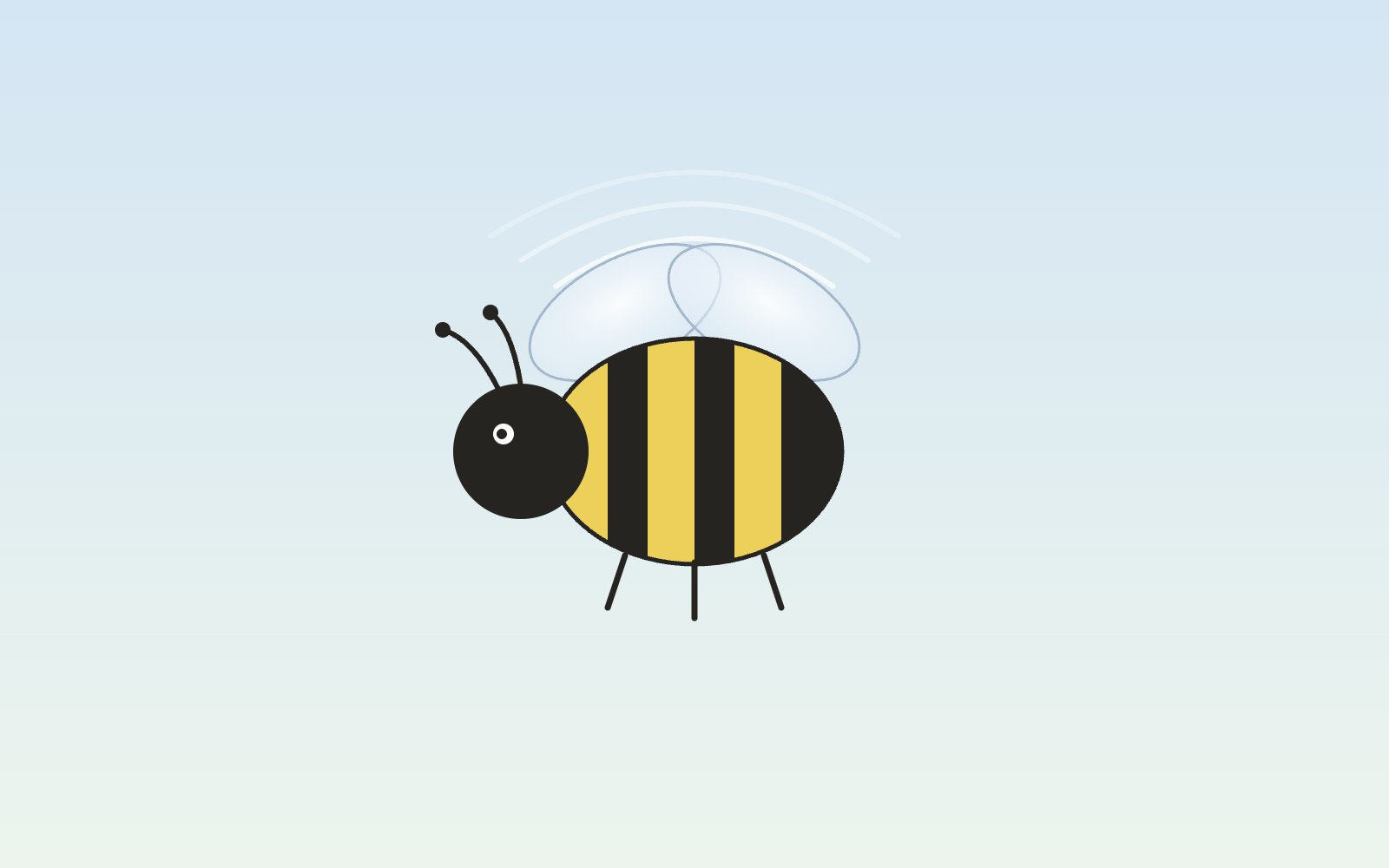
There is an old saying that a bumblebee should not be able to fly, because its wings look far too small for its round, heavy body. Yet every summer bumblebees drift from flower to flower, hang in place over a blossom and lift straight up when they are done. The answer to the puzzle is simple once you picture the right machine. A bee does not fly like an airplane. It flies much more like a drone or a helicopter, making its own airflow by moving its wings very quickly while its body stays almost still. Once you look at the bee that way, the small wings stop looking like a problem and start looking like a clever design that has worked for a very long time.
Where the saying came from
The idea is usually traced to France in 1934. Antoine Magnan, a zoologist who studied animal flight, wrote in the opening pages of his book Le Vol des Insectes that he had applied the rules used for aircraft to insects. Working with his assistant, an engineer and mathematician, he reached the conclusion that insect flight seemed impossible. Science News, looking back at the story, notes that other versions place the calculation at a dinner party in Germany or credit a Swiss engineer. Nobody is quite sure how a short remark in a scholarly book turned into a popular line about bumblebees in particular, but it spread widely and has stayed with us for almost a century.
The key detail is which rules were used. Magnan and his assistant treated the bee as if it were a tiny airplane with fixed wings gliding forward at a steady speed. With wings that small, moving that slowly, the lift from a stiff airplane wing would indeed fall short of the weight of a bee. Magnan himself pointed out right afterward that insects plainly do fly, so the math simply did not describe what they were doing. As Science News puts it, the calculation showed that one simple model did not fit the bumblebee. It never showed that the bee was breaking any law of physics. The famous joke that bees fly because they believe they can is a fun line, but the real answer lies in the wings.
Planes need speed and stiff wings
An airplane gets its lift from air flowing smoothly over a fixed wing. The wing is curved and tilted slightly, so the air leaving its back edge is pushed downward and the plane is pushed up. For that to work, the plane has to move forward fast. The engines supply the speed and the wings turn that speed into lift. Slow down too much, or tilt the wing too steeply, and the smooth flow breaks away from the top of the wing. Pilots call this a stall, and the lift drops sharply. That is why a jet needs a long runway to take off and why it cannot simply stop in midair and hang above one spot on the ground.
A bee faces a very different situation. Its body moves slowly, often not at all when it hovers at a flower, and its wings are tiny compared with its body. Measured the airplane way, there is not enough forward speed and not enough wing area to hold the bee up. At the scale of an insect, air also behaves as if it were thicker and stickier, which changes how it flows around a wing. So if a bee had to depend on steady forward motion over a stiff wing, it really would have trouble. The insect gets around all of this by not depending on forward motion in the first place. It moves the air with its wings instead of moving itself through the air.
Bee wings sweep, flip and stir the air
Watch a hovering bee in slow motion and its wings do not flap up and down like a bird in a cartoon. They sweep forward and back in a mostly flat arc, much like a pair of rotor blades traced back and forth. Science News gives a typical bumblebee about 130 wingbeats per second. A 2005 study in PNAS filmed honeybees hovering at about 230 beats per second and noted that bees in general run their wings fast for their size, with values from different studies mostly between 200 and 250. The exact number depends on the species, the size of the bee and even the temperature. Either way, each wing makes more than a hundred trips every second.
At the end of each sweep the wing flips over, so its front edge leads again on the way back. This quick twist lets the wing keep a steep angle to the air in both directions. As the tilted wing slices forward, the air rolls up into a small spinning swirl along its front edge, called a leading edge vortex. The swirl is a pocket of low pressure sitting on top of the wing, and it adds a lot of extra lift. On a plane that steep angle would cause a stall. On a bee wing the swirl stays attached for the whole short stroke, before the wing flips and starts a fresh one. Researchers call this effect delayed stall, and it is the heart of insect flight.
Robot wings in oil showed how it works
The clearest proof came from a robot. In 1999 Michael Dickinson and his colleagues at the University of California, Berkeley described a pair of large mechanical wings they nicknamed Robofly in the journal Science. The wings were scaled up and flapped slowly in a tank of mineral oil, so the flow around them matched the flow around a real fly wing moving hundreds of times faster in air. Sensors measured the forces on each wing as it moved. The team found three wing tricks working together: the swirling vortex along the leading edge, the extra push from the quick flip at each end of the stroke, and the wing catching some energy back from the air it had stirred on the previous stroke.
Together those effects produced enough lift to explain how small insects stay up, and the Berkeley team said the same basic tricks are probably shared by most insects and perhaps by hummingbirds too. Hummingbirds are the closest bird version of the idea, hovering in front of flowers with fast wingbeats and twisting their wings on each stroke. This is also where the helicopter picture needs one honest change. A helicopter blade spins all the way around in a circle, so its airflow never stops. A bee wing cannot spin, because it is attached at a hinge. It sweeps out, stops, flips and sweeps back, making the needed airflow again on every single stroke, more than a hundred times each second.
So the next time a bumblebee hangs over a flower and then rises straight up, think of it as a tiny, fuzzy drone. It does not need a runway or forward speed, because its wings create their own moving air. The only thing the old calculation proved is that a bee is not a small airplane. Magnan's own book said as much right after the famous line, pointing out that the insect flies and holds up its weight at every moment.
More articles
The moon is, in fact, an inanimate, dusty old rock
The moon is a layered ball of rock about 4.5 billion years old, wrapped in sharp gray dust and almost no air. Here is what it is made of, where it probably came from and why it barely changes.
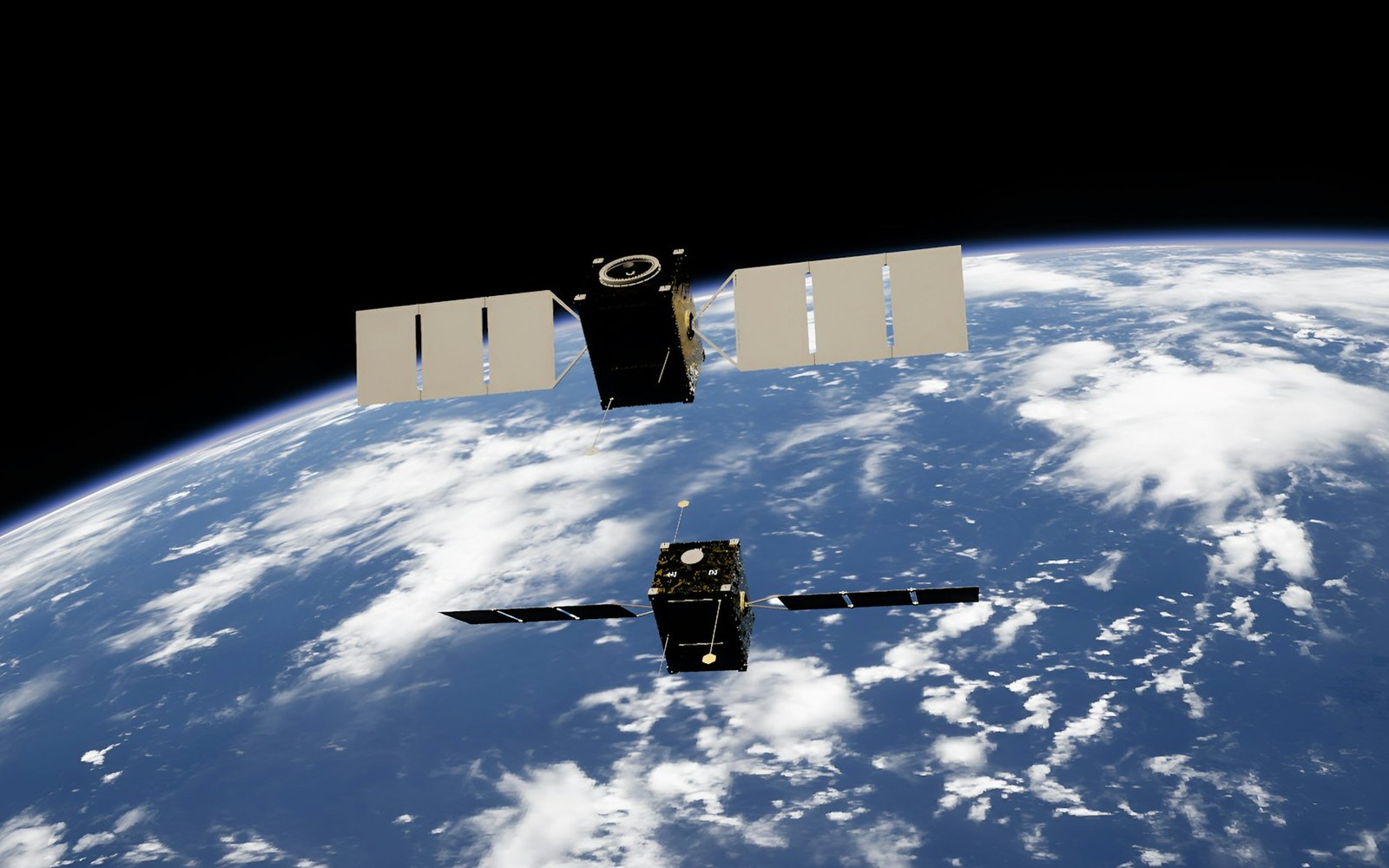
How solar storms mess with satellites
The sun has weather, and some of it reaches us. Here is how solar flares and the storms that follow can sink satellites, scramble GPS and even trip power grids, and how people keep watch.

Patterns in sound
Sprinkle salt on a drum, play a steady note, and the grains slide into neat lines and rings. Here is why sound draws pictures, who first noticed, how to try it at home, and what all this has in common with a snowflake.
Most of the sound around you goes unheard
Human ears catch only a middle band of all the sound there is. Here is what we miss, which animals hear it, and why the hums and whines from our own gadgets can still get under our skin.
What is LaserSETI?
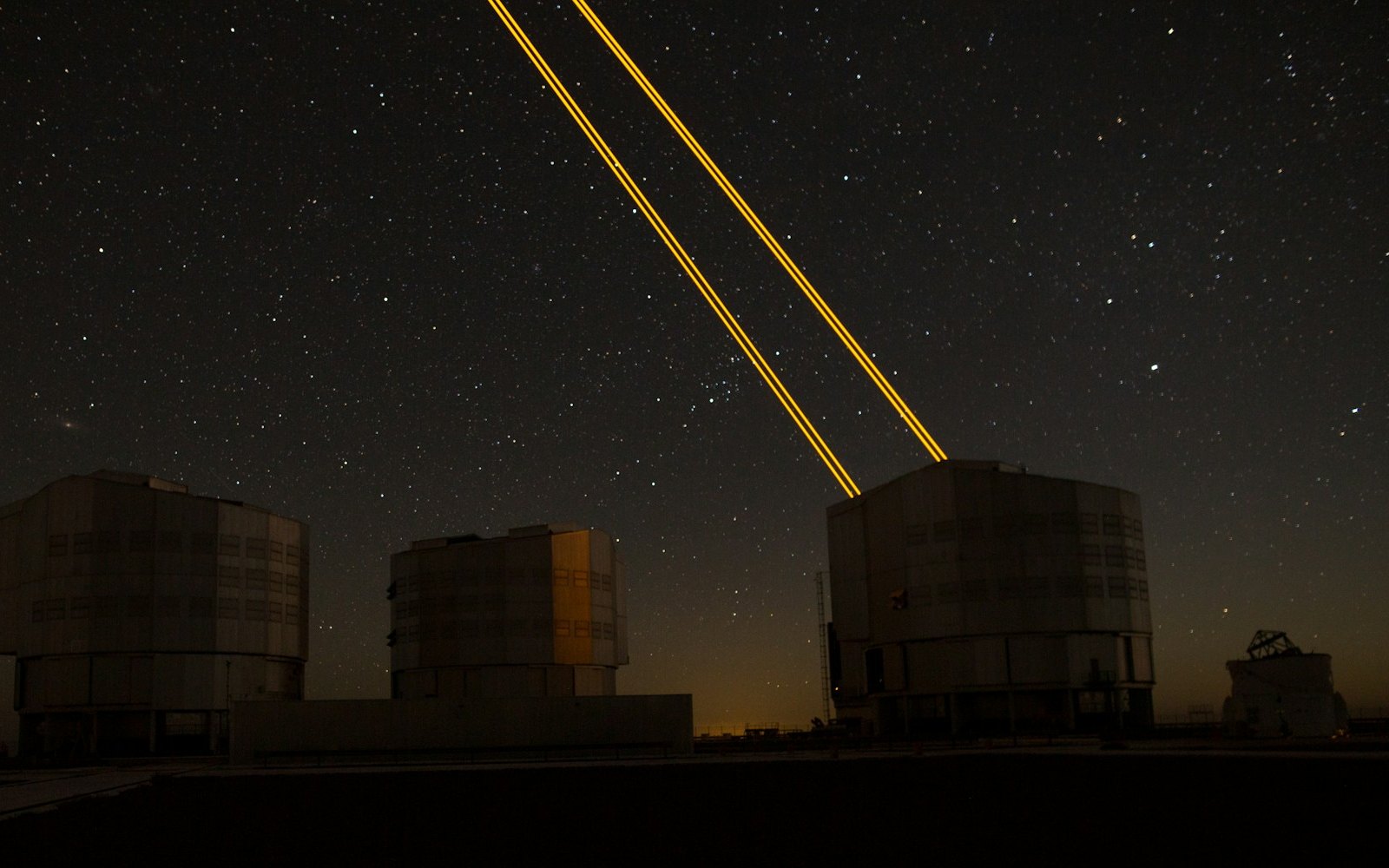
LaserSETI is a growing network of rooftop cameras that watch huge patches of the night sky for a single-color flash of light. Here is how it works, where the stations are in 2026, and what it has (and has not) found.
Most of the light around you is invisible
Our eyes catch only a thin band of all the light there is, from violet to red. Here is what we miss, which animals see more of it, and how we use the invisible rest every day.

The science of music
Why a good chorus gives you chills, why the Mozart effect fizzled, and why some songs refuse to leave your head. Here is what the research actually says about music, mood and focus.

Bill Nye is still teaching
A science show from the 1990s is still turning up in classrooms. Here is what Bill Nye the Science Guy was, why so many grownups remember it so fondly, and why teachers keep pressing play.

Why is the sky blue?
The sky is blue because the tiny bits of gas in the air reflect blue sunlight around much more than red light, so blue reaches our eyes from every part of the sky.
Why the sun and moon look the same size
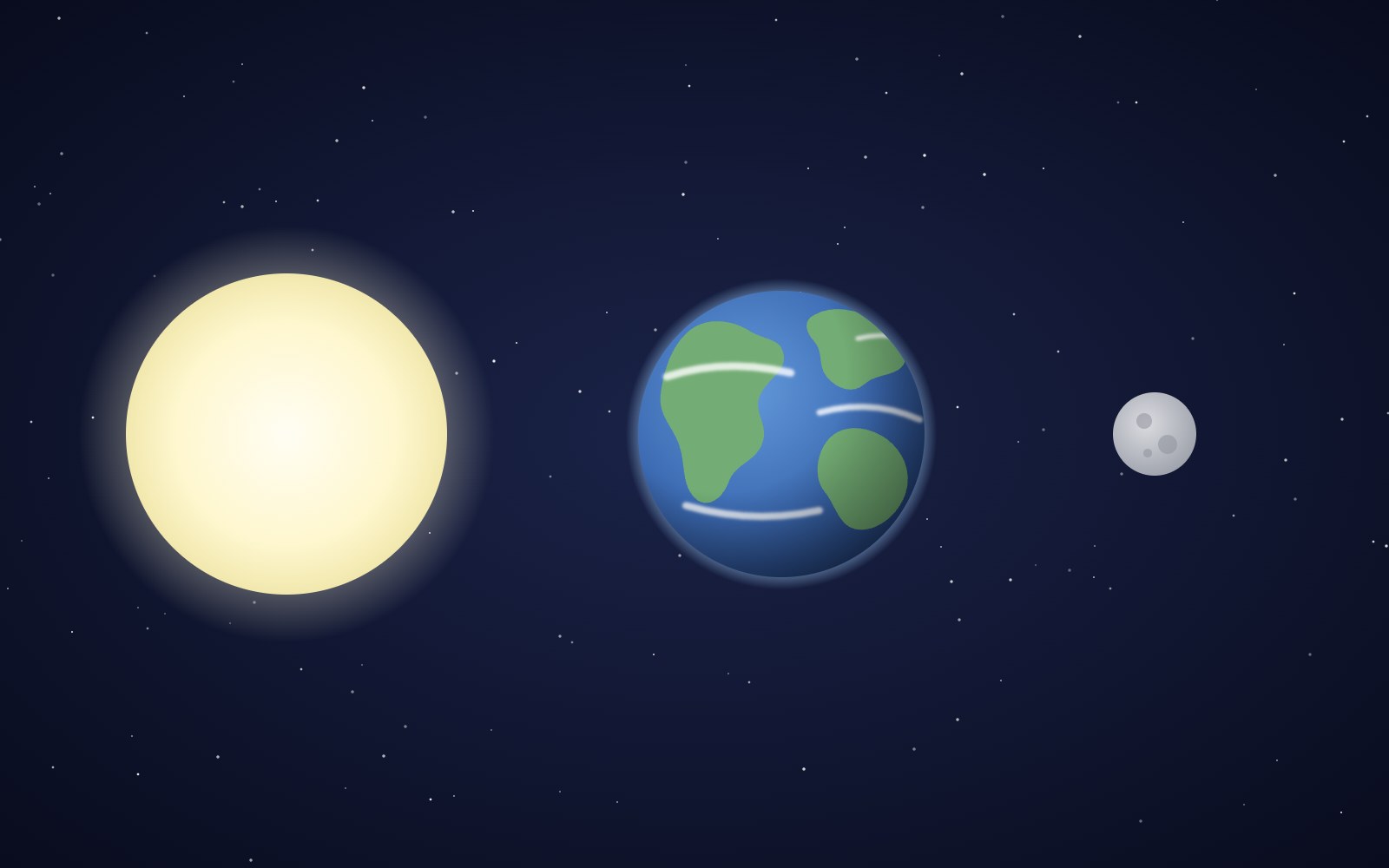
The sun is about 400 times wider than the moon and also about 400 times farther away, so the two discs look almost the same size in our sky. That match is a coincidence of timing, and it will not last forever.
The earth is, in fact, actually round
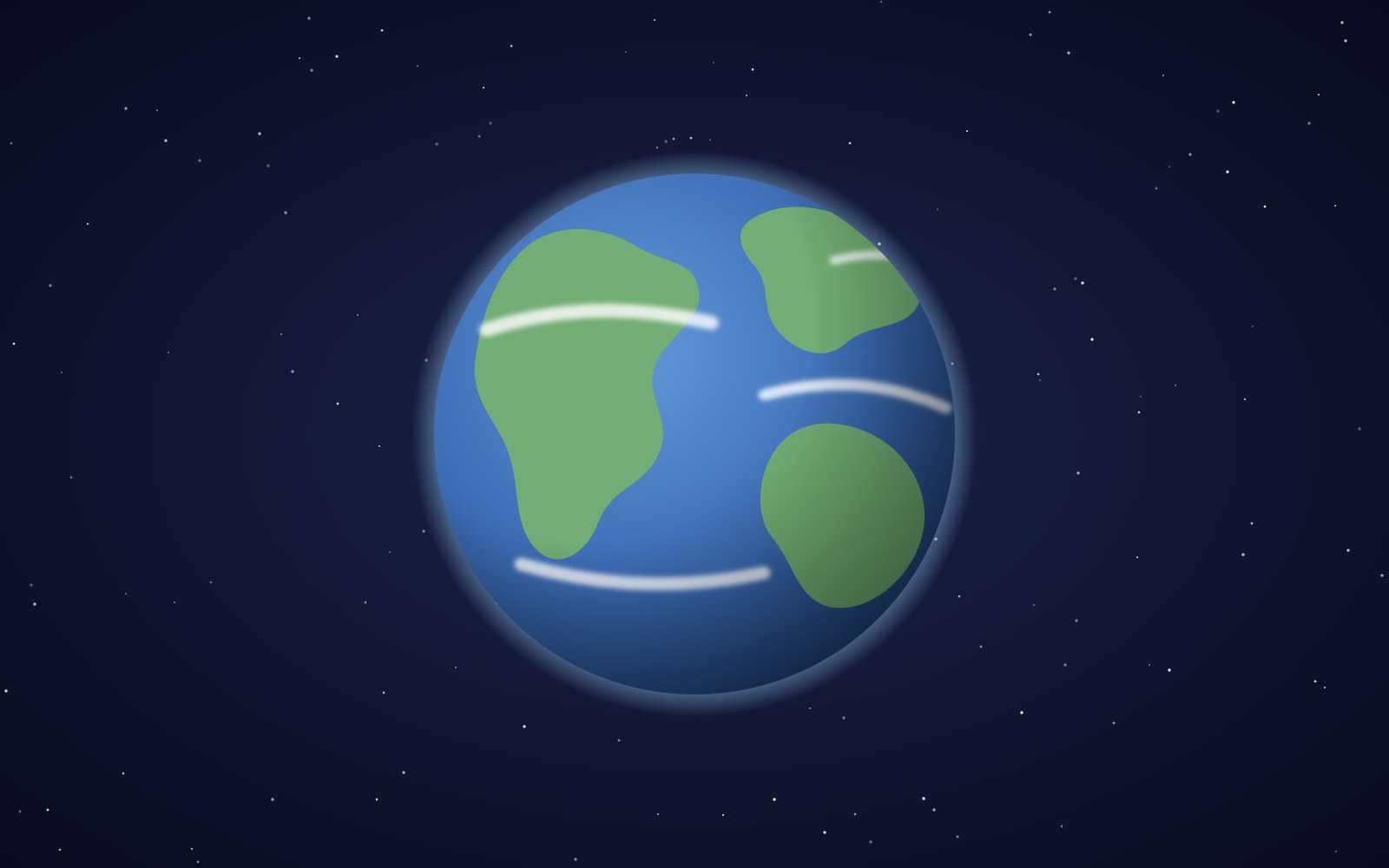
You can check that Earth is round from a beach, a campsite or a phone call to a friend in another time zone. People worked it out more than two thousand years ago, and one of them even measured it with shadows.
What is Hermes?
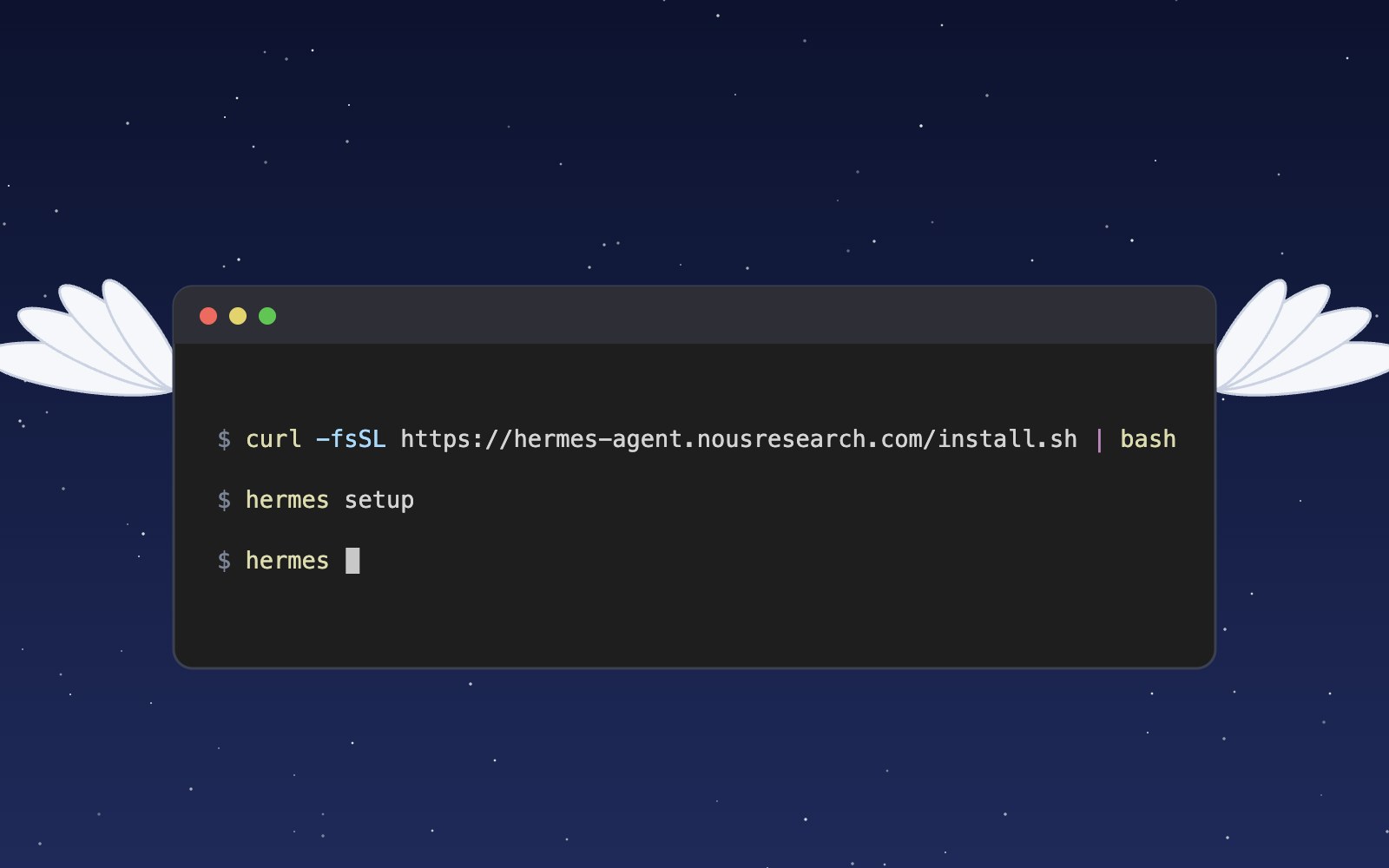
Hermes is an open source AI agent harness from Nous Research that runs on your own computer, uses tools, remembers past sessions and learns skills. Here is what it does and how to install and set it up.

Meet the Night Sky UI Kit
Three animated React components for dark, night-sky themed sites: a star cursor, a twinkling starfield and a soft aurora glow. Here is what's inside and how to add it.

Behind the Star Cursor
How the Star Cursor draws its comet tail and sparkle dust, and why it quietly steps aside on touch screens and for anyone who prefers reduced motion.

5 trendy UI effects
A star cursor with a comet tail, frosted glass panels, scroll-driven animation, smooth page transitions and gradients that actually move, plus the one tip we would give for each.

How to make cards lift as you scroll on a phone
Phones can't hover, so our blog cards used to sit flat on mobile. Here's the small CSS class and IntersectionObserver we use to lift whichever card is in the middle of the screen as you scroll.

What llms.txt is, and how we added one to our site
A plain-English look at llms.txt, the proposed markdown file that gives AI assistants a short map of your site, what it can and can't promise, and how we wrote and tested our own.

Tell Google who you are with a few lines of code
Small business names collide, and search engines have to guess which one you meant. Organization structured data is one way a site owner can stop them guessing. Here's what it is, what we put in ours, and how to test it.
How to build a thought-bubble tooltip with pure CSS
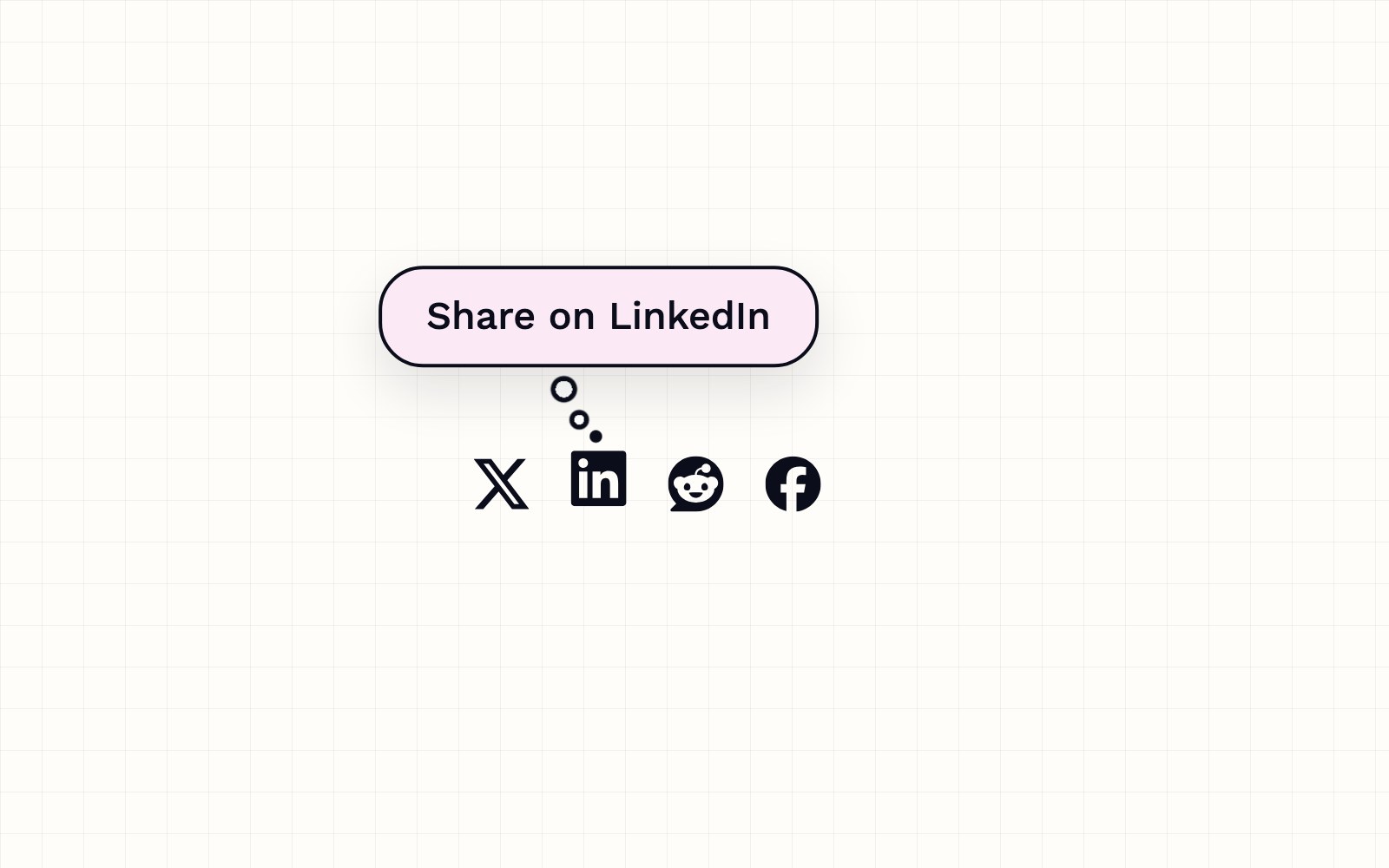
A step-by-step CSS tutorial for a tooltip that reads its label from a data attribute, pops up in a rounded bubble, trails off in three little circles and stays clickable, with no JavaScript.

Building night sky effects that know when to sit out
How the Night Sky UI Kit's star cursor, starfield and aurora check the visitor's device and settings before they draw a single frame.

How you can set up pull requests to get an automatic first review
Give every pull request an automatic first review the moment it opens, and send each new pull request and its review to a dedicated Slack channel. Here is how the pieces fit.

How visitors book a call on our site
Picking a time with us takes a few clicks and never leaves the page. Here is how the booking calendar on our site works, and the small checks that stop two people grabbing the same hour.

Inside our resumable, review-gated video production pipeline
How we built a local seven-step pipeline that turns a history topic into a captioned video, with resumable state, bounded retries, and a human review gate.